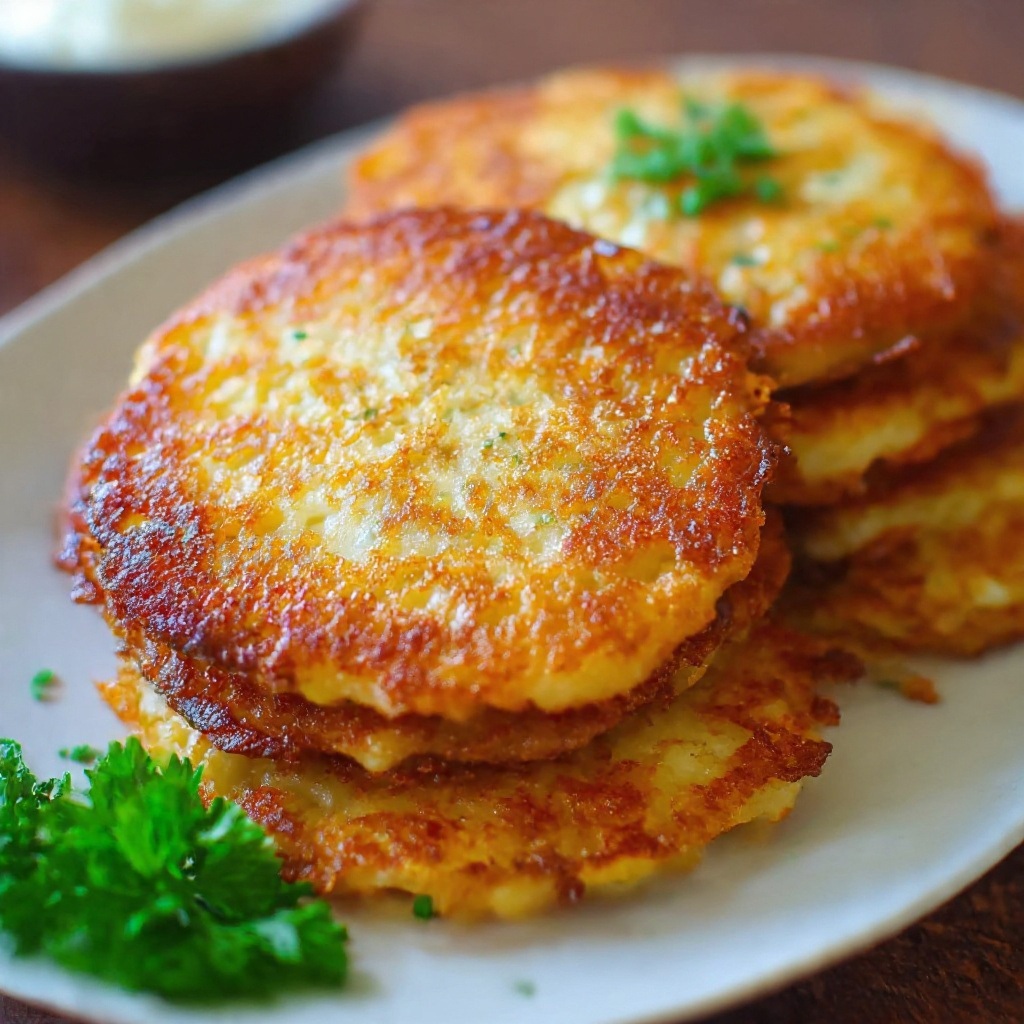
Crispy edges. Tender middles. That salty, golden bite that makes you reach for “just one” before they even hit the plate. Potato pancakes are pure comfort food, and once you learn a few small tricks, they stop feeling like a special-occasion project and start feeling like an anytime recipe.
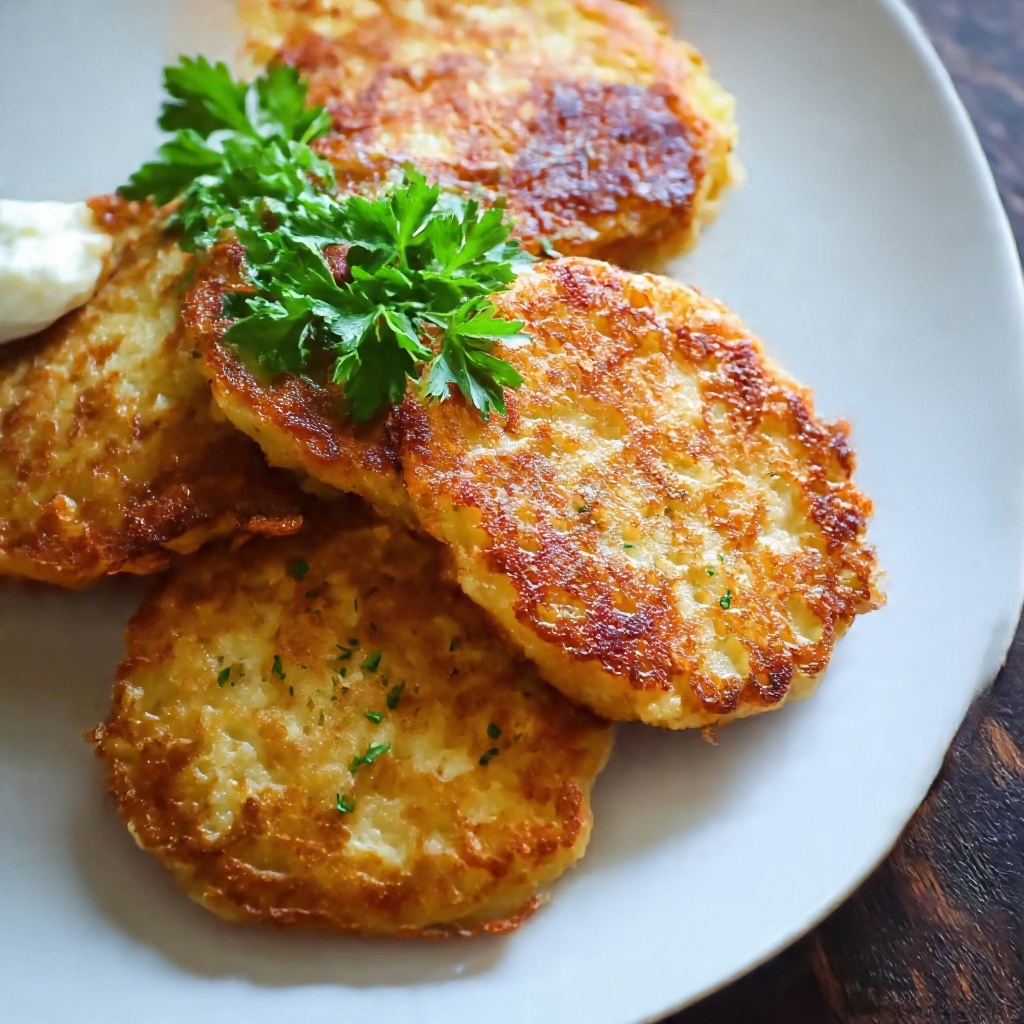
This is my dependable, no-drama method for potato pancakes that actually turn out crisp. Not limp. Not oily. Not the kind that fall apart the moment you try to flip them. These cook up with a browned crust that crackles a little at the edges, while the inside stays soft and steamy like a baked potato—only better, because there’s onion in the mix and salt on the surface and a little sizzle in the pan.
The real goal is balance. You want potatoes grated in a way that holds together, but doesn’t turn gummy. You want moisture removed so the outside fries instead of steaming, but not so dry that the center tastes dusty. And you want seasoning that tastes like potatoes, only louder.
You’ll get all of that here. Every step has a reason. None of it is complicated.
Why You’ll Love This Recipe
-
Crisp without greasy. The moisture-control steps make the oil work for you instead of against you.
-
They hold together. Egg + the right amount of starch keeps flipping easy.
-
Potato-forward flavor. You won’t taste a mouthful of flour. Just good potatoes with onion and salt.
-
Works for breakfast or dinner. Add a topping and it becomes a full meal.
-
Freezer-friendly. Make a batch, stash extras, reheat crisp again.
Frequently Asked Questions (FAQs)
1) Can I make potato pancakes ahead of time?
Yes. Cook them fully, cool on a wire rack, then refrigerate in an airtight container for up to 4 days. Reheat in a hot oven or air fryer to bring back the crisp edges.
2) Why did my pancakes turn gray?
That’s oxidation. Potatoes darken quickly once grated. Mixing in grated onion right away helps. Working at a steady pace helps too. If you want extra insurance, a tiny splash of lemon juice can slow browning, but keep it small so the flavor stays potato-forward.
3) What’s the difference between potato pancakes and latkes?
They’re close cousins. The technique overlaps: grated potatoes, onion, binder, fried until crisp. Latkes often lean into certain traditions and specific ratios depending on the style. This recipe lands in that classic, crispy, familiar zone with a sturdy texture and a tender center.
4) How do I reheat them so they stay crispy?
Skip the microwave if crispness matters. Reheat on a wire rack over a baking sheet at 425°F for 8–12 minutes, flipping once. An air fryer also works well at 375°F for 5–7 minutes.
Ingredients
I explain the best ingredients for this potato pancake recipe below, what each one does, and simple swaps. For the exact ingredient measurements, scroll to the recipe card at the bottom of this post.
Russet potatoes
If you want a bold crunch, russets are the best starting point. They’re high in starch, which helps with browning and structure. They also fry up beautifully without turning creamy in the center.
Swap: Yukon Gold potatoes work too. They give a slightly softer, more buttery interior, and the crust is still crisp—just not quite as shattery as russets.
Yellow onion
Onion gives the pancakes depth. Grating it (instead of dicing) spreads the flavor evenly and helps the mixture bind without noticeable chunks.
If you’re onion-sensitive, use less. Don’t skip it completely unless you really want a plain potato flavor.
Eggs
Eggs are the binder. They help the pancakes hold together and make flipping much easier. Use large eggs.
All-purpose flour
Flour gives the batter just enough strength so the pancakes don’t crumble. The goal is structure, not a bready bite.
Gluten-free options:
-
a 1-to-1 gluten-free flour blend
-
cornstarch (a great choice for extra crispness)
Baking powder (optional)
A small amount gives a subtle lift and keeps the center from feeling heavy. This is optional, but I like it for a slightly lighter interior.
Salt and black pepper
Potatoes love salt. Season the mixture, then season the hot pancakes as soon as they come out of the oil. That second hit of salt makes them taste right.
Garlic powder (optional)
If you want a more classic, straight-potato flavor, skip it. If you want a little extra savory warmth, add it. Garlic powder works better here than fresh garlic, which can burn in the hot oil.
Oil for frying
Use a neutral oil with a higher smoke point: vegetable, canola, avocado. Butter alone burns too fast, but a small pat of butter added to the oil can bring a richer flavor if you like.
Instructions
For the full detailed ingredient amounts and the quick printable directions, scroll to the recipe card at the bottom of this post.
1) Grate the potatoes and onion
Peel the potatoes, then grate them using the large holes of a box grater, or use a food processor with the shredding blade. Grate the onion and add it to the potatoes right away.
This does two helpful things: it spreads onion flavor throughout the batter, and it helps slow down potato browning.
2) Squeeze out the moisture
Transfer the potato-onion mixture to a clean kitchen towel or cheesecloth. Twist and squeeze hard over the sink.
Really squeeze. Then squeeze again.
If you stop too early, the batter stays wet and the pancakes steam instead of fry. That’s when they go soft and heavy.
3) Save the potato starch (worth it)
Pour the drained liquid into a measuring cup or bowl and let it sit for 1–2 minutes. Carefully pour off the water on top.
At the bottom you’ll see a layer of white potato starch. Keep it. That starch helps bind the mixture and improves crispness without needing extra flour.
4) Mix the batter
Add the drained potatoes and onion to a large bowl. Add the eggs, flour, baking powder (if using), salt, pepper, and garlic powder (if using).
Scrape the reserved potato starch into the bowl and stir everything until evenly combined.
The mixture should look cohesive and scoopable. Not soupy. Not dusty.
5) Heat the pan
Heat a large skillet over medium to medium-high heat. Add enough oil to coat the bottom of the pan, about 2–3 tablespoons to start.
The oil should shimmer. If you drop a tiny bit of the mixture in and it sizzles right away, you’re ready.
6) Fry the pancakes
Scoop about ¼ cup of mixture into the pan and flatten into a pancake, about ⅜-inch thick. Don’t make them too thick or the center takes longer and the outside can overbrown.
Cook for 3–4 minutes per side, until deep golden brown and crisp. Adjust heat as needed so they brown steadily without burning.
7) Drain and season
Transfer cooked pancakes to a wire rack set over a baking sheet. Immediately sprinkle with a pinch of salt while they’re hot.
Repeat with remaining mixture, adding more oil between batches as needed.
Best potatoes to use
If you want a strong, crisp crust, russets are the classic choice. They’re starchy, they brown well, and they hold shape.
If you prefer a slightly creamier interior, Yukon Gold potatoes are a good option. The pancakes still get crispy. The middle just feels richer and a little softer.
If you want the best of both: use half russet, half Yukon Gold. That mix gives you a crisp shell and a buttery center. It’s a nice compromise, especially if you’re serving people who like different textures.
One thing I don’t recommend: waxy red potatoes on their own. They can work, but the texture tends to be denser and the pancakes are less crisp. If that’s what you have, use them, but be extra strict about squeezing moisture and keep the pancakes a little thinner.
The secret to crisp potato pancakes
It’s moisture control. That’s the whole story.
Grated potatoes hold a surprising amount of water. If you skip draining, the batter turns loose, the oil temperature drops, and the pancakes cook like damp potato piles instead of crisp cakes. They absorb oil, stay pale, and end up soft.
So we do two simple things:
1) Squeeze the potatoes hard
A kitchen towel makes this easier than paper towels. You can twist tight and press out a lot more liquid. If your towel ends up damp and heavy, you’re doing it right.
2) Save the starch
Let the potato liquid settle. The starch drops to the bottom. Stir that starch back into the mixture.
That starch helps the pancakes bind and brown without adding extra flour. It’s a small step that changes the result.
If your batter still looks wet after mixing, don’t panic. Squeeze again. Or stir in 1 tablespoon flour at a time until the mixture holds together when pressed.
If the batter looks too dry and crumbly, add 1 tablespoon water at a time until it becomes scoopable again.
Tools that make this easier
You don’t need anything fancy, but a few tools make potato pancakes faster and cleaner.
-
Box grater or food processor for shredding potatoes and onion
-
Clean kitchen towel or cheesecloth for squeezing liquid
-
Large skillet (cast iron is excellent for browning)
-
Thin spatula for clean flipping
-
Wire rack + baking sheet so the pancakes stay crisp after frying
That wire rack setup matters more than it looks like it should. A plate traps steam. Steam softens crust. The rack lets airflow keep them crisp.
How to keep them warm and crunchy
If you’re making a big batch, the oven trick keeps every pancake hot and crisp while you finish frying.
-
Preheat the oven to 200°F.
-
Place a wire rack over a baking sheet and set it in the oven while you cook.
-
As each batch finishes, place pancakes on the warm rack in a single layer.
That airflow is the difference between crunchy and limp.
If you stack pancakes, even for a few minutes, the crisp edges soften. Sometimes you don’t care. Sometimes you really do. If you want that crunch, keep them in one layer on a rack.
Topping ideas
These can go sweet, savory, or fully meal-style. You don’t have to pick just one direction, either. A topping bar is always a good idea.
Classic and savory
-
Sour cream + chives
-
Crème fraîche + dill
-
Greek yogurt + lemon zest + cracked pepper
-
Smoked salmon + a little onion + fresh herbs
-
Fried egg + hot sauce
Sweet and cozy
-
Applesauce (classic for a reason)
-
Apple butter
-
Honey + flaky salt
-
Cinnamon sugar + a small spoon of yogurt
Make-it-a-meal toppings
-
Pulled chicken or leftover roasted meat
-
Sautéed mushrooms with thyme
-
Chili + shredded cheese
-
Warm gravy + chopped parsley
-
A simple cucumber salad on the side to cut the richness
Potato pancakes are sturdy. They can carry a topping without falling apart, especially if you keep them medium thickness and fry them properly.
Variations
Once you’ve made the classic version, it’s easy to adjust without losing the point of the recipe.
Cheesy potato pancakes
Stir ½ cup shredded cheddar or Gruyère into the batter. Keep the pancakes slightly thinner so the cheese melts evenly without making the center too heavy.
Herb potato pancakes
Add 2 tablespoons chopped fresh parsley, chives, or dill. Herbs brighten the flavor without taking over.
Gluten-free potato pancakes
Swap the flour for 2 tablespoons cornstarch or a gluten-free 1-to-1 blend. The reserved potato starch helps a lot here, so don’t skip it if you can.
Baked potato pancakes
You’ll lose a little crispness compared to frying, but it’s a good hands-off option.
-
Heat oven to 425°F.
-
Brush a baking sheet with oil.
-
Place flattened pancakes on the sheet and brush or spray the tops with oil.
-
Bake 15 minutes, flip, bake 10–15 minutes more.
For extra browning, finish with a few minutes under the broiler. Watch closely.
Air fryer version
Air fryers do a solid job if you want less oil.
-
Preheat to 400°F.
-
Spray the basket and the tops of the pancakes with oil.
-
Cook about 10–12 minutes, flipping halfway, until golden and crisp.
They won’t have the exact same skillet-fried edges, but they’re still very good.
Common mistakes and how to avoid them
Not squeezing enough liquid
If the mixture looks wet or puddles in the bowl, squeeze again. Crisp pancakes start with dry potatoes. That’s not an exaggeration. It’s the whole trick.
Oil not hot enough
If the batter doesn’t sizzle right away, the oil is too cool. The pancake will soak up oil and stay pale. Let the oil heat before the next batch.
Crowding the pan
Too many pancakes at once drops the temperature fast. Cook in batches and give them space.
Flipping too early
Wait until the edges look set and the bottom is deeply golden. If you flip too soon, the pancake can tear or stick.
Pressing too thick
Thick pancakes take longer, and the outside can overbrown before the inside feels tender. Aim for about ⅜-inch thick. Thin enough to crisp. Thick enough to stay soft in the center.
Oversalting the batter, undersalting the surface
Season the batter, yes. But the magic salt hit is the one you sprinkle right after frying. Hot oil on the surface helps the salt cling and taste evenly seasoned.
Storage, freezing, and reheating
Refrigerator
Store leftovers in an airtight container for up to 4 days.
Best way to reheat
For crisp edges, reheat on a wire rack over a baking sheet at 425°F for 8–12 minutes, flipping once.
Air fryer reheat
375°F for 5–7 minutes, flipping halfway.
Freezing
These freeze well.
-
Cool completely on a wire rack.
-
Freeze in a single layer on a baking sheet until solid.
-
Transfer to a freezer-safe bag or container.
Reheat from frozen at 425°F for 12–15 minutes on a wire rack. No thawing needed.
Microwave note
Microwaving warms them, but softens the crust. If you just want them hot, fine. If you want crisp, skip it.
Recipe notes
-
The potato starch you save from the drained liquid helps binding and crispness. If you can do it, do it.
-
If the mixture looks dry and crumbly, add 1 tablespoon water at a time until it holds together when pressed.
-
If it looks wet, squeeze again or add flour 1 tablespoon at a time until scoopable.
-
A wire rack keeps pancakes crisp. A plate makes them steam.
-
Don’t be afraid to adjust heat while frying. If they brown too quickly, lower it slightly. If they’re pale and slow, bump it up.
Potato Pancakes
Ingredients
- 2 pounds russet potatoes peeled
- 1 small yellow onion
- 2 large eggs
- ¼ cup all-purpose flour or 2 tablespoons cornstarch
- ½ teaspoon baking powder optional
- 1 ½ teaspoons salt plus more to finish
- ½ teaspoon black pepper
- ½ teaspoon garlic powder optional
- ⅓ to ½ cup neutral oil for frying as needed
Instructions
- Grate the potatoes and onion.
- Squeeze the mixture in a clean kitchen towel until very dry. Reserve the potato starch from the drained liquid (let it settle, pour off water, keep the white starch).
- In a large bowl, combine potatoes, onion, eggs, flour, baking powder (optional), salt, pepper, garlic powder (optional), and reserved potato starch.
- Heat 2–3 tablespoons oil in a large skillet over medium to medium-high heat.
- Scoop about ¼ cup mixture per pancake, flatten, and cook 3–4 minutes per side until golden brown and crisp.
- Transfer to a wire rack and season with a pinch of salt. Repeat with remaining batter, adding oil as needed.
Notes