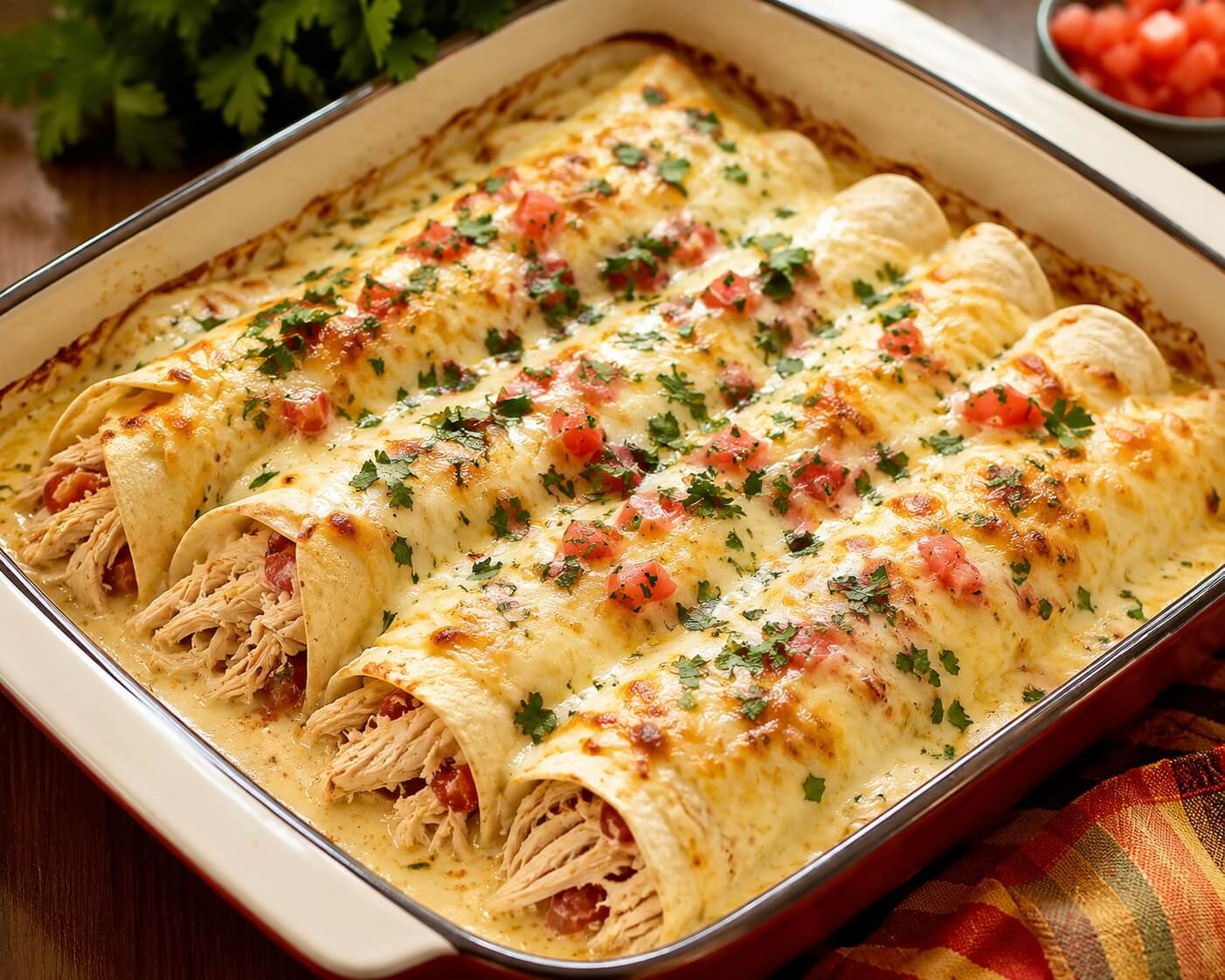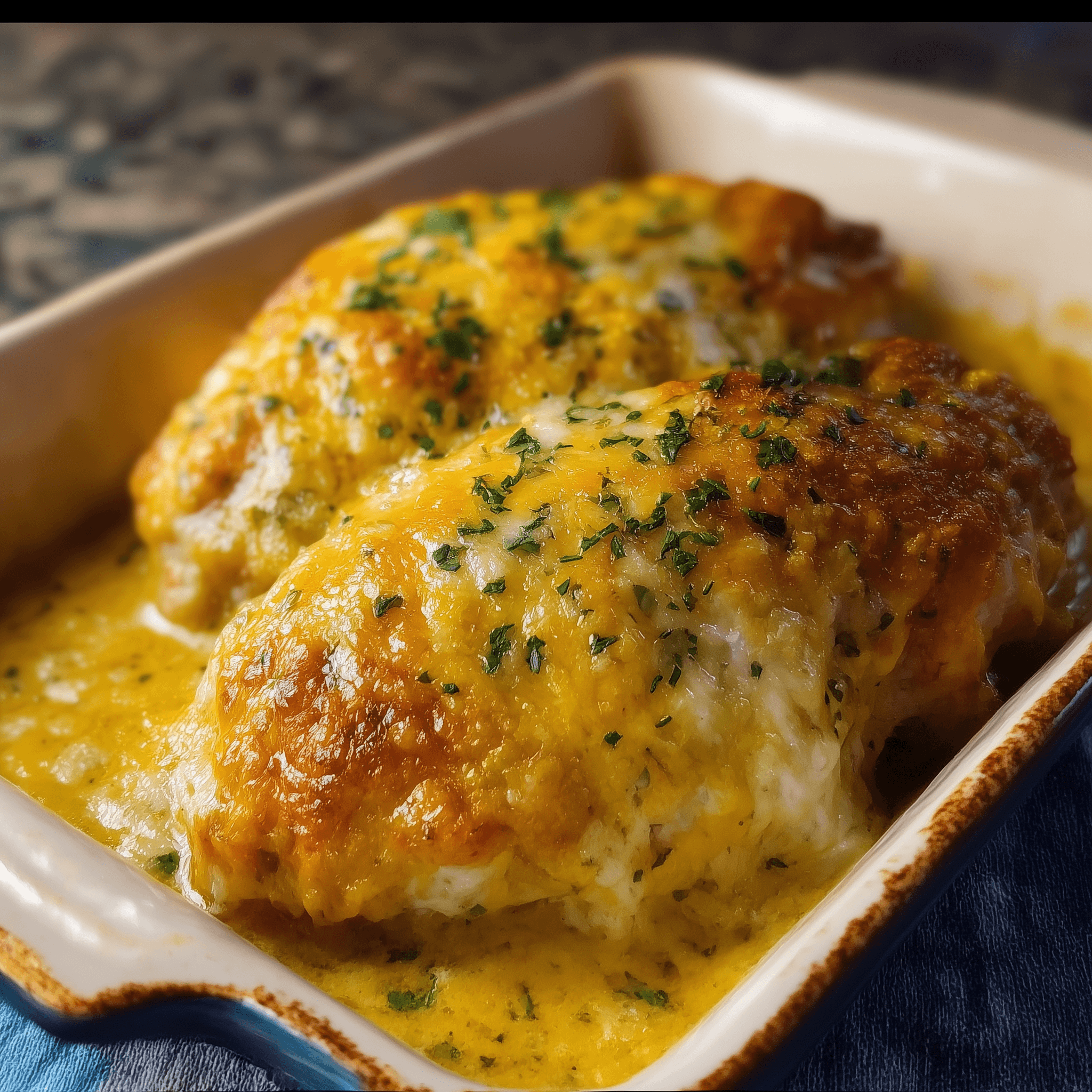
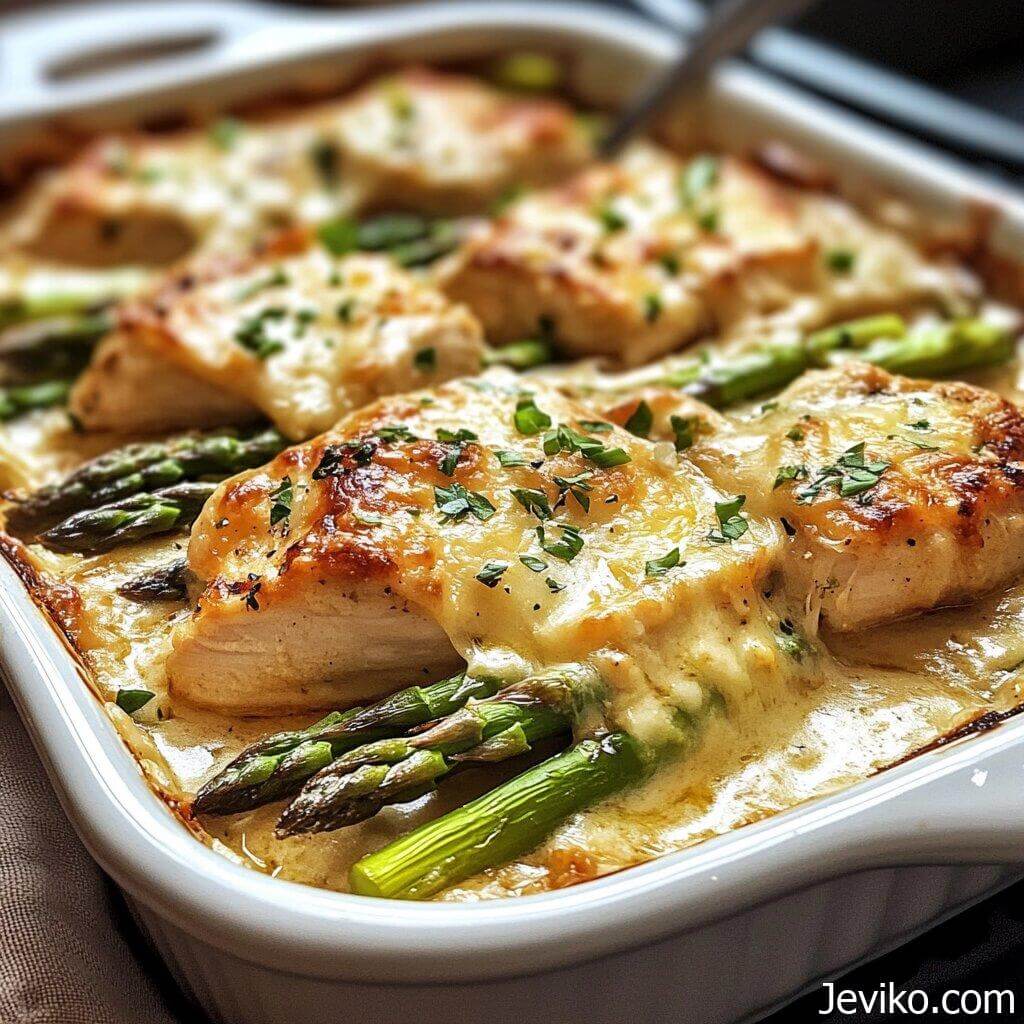
Creamy Chicken and Asparagus Casserole is the kind of dinner that feels like you did a lot… even though it’s mostly simple steps and familiar ingredients. Tender chicken, crisp-tender asparagus, and a creamy, cheesy sauce bake together into a casserole that’s cozy, filling, and still tastes fresh.
It’s especially good for those nights when you want comfort food, but you don’t want anything heavy or greasy. The asparagus keeps every bite bright. The sauce keeps everything rich and satisfying. And the whole pan comes together in a way that’s easy to slice, scoop, and reheat.
If you’ve got leftover chicken in the fridge, even better. This recipe was made for that.
Why you’ll want this casserole on repeat
This isn’t one of those casseroles that turns into a bland, beige pan of “fine.” It has real flavor and good texture, and it’s still easy enough for a weeknight.
-
Creamy without being heavy. The sauce is rich, but it doesn’t feel like it’s weighing everything down.
-
Asparagus stays vibrant. With one small prep step, it stays crisp-tender instead of soggy.
-
Great for leftovers. This is one of those dishes that reheats nicely and tastes even better the next day.
-
Flexible. Use rotisserie chicken, leftover grilled chicken, or quickly cooked chicken breasts. Swap cheeses. Add mushrooms. Make it gluten free. It holds up.
And if you’re cooking for people who “don’t like asparagus,” this recipe is a gentle way to win them over. The asparagus gets mellow and slightly sweet in the oven, especially paired with creamy sauce and cheese.
Frequently asked questions
Can I use rotisserie chicken?
Yes, and it’s one of the easiest ways to make this recipe. Remove the skin, then shred or chop the meat.
Do I have to blanch the asparagus?
You don’t have to, but it’s the best way to keep the asparagus crisp-tender and bright green. If you skip it, slice the asparagus smaller and don’t overbake.
Can I use canned asparagus?
I don’t recommend it here. Canned asparagus is very soft and can break down into the sauce.
My sauce looks too thick. What should I do?
Add a splash of chicken broth or milk, a little at a time, until it loosens. The casserole will thicken slightly as it bakes and rests, so don’t thin it too much.
My casserole looks watery. Why?
Most often it’s one of these:
-
mushrooms weren’t sautéed long enough
-
asparagus was very wet (especially if frozen)
-
the sauce wasn’t simmered long enough to thicken
If it happens, let the casserole rest longer before serving. That helps it set.
Can I add more vegetables?
Yes, just keep moisture in mind. Broccoli florets, peas, or sautéed spinach work well. If you add spinach, stir it into the sauce briefly so it wilts first.
Ingredients
Here I explain the best ingredients for this creamy chicken and asparagus casserole recipe, what each one does, and substitution options. For the exact ingredient measurements, jump to the recipe card at the bottom of this post.
Chicken and vegetables
Cooked chicken
Shredded or chopped chicken works. Rotisserie chicken is the easiest option. Leftover baked or grilled chicken is also perfect. If you’re starting from raw chicken, no problem—you’ll find an easy method in the instructions section.
Asparagus
Fresh asparagus gives the best texture. Look for medium-thickness spears. Very thin asparagus can overcook fast. Very thick spears can stay fibrous unless you slice them smaller.
Yellow onion
This adds flavor to the sauce without making it taste “oniony.” Dice it small so it softens quickly.
Garlic
Fresh garlic brings the whole sauce to life. If you’re using garlic powder, it’ll still work, but fresh tastes better here.
Mushrooms (optional)
Not required, but they add a savory, hearty flavor that pairs so well with chicken and asparagus. If you add them, sauté them first so they don’t water out the casserole.
The creamy sauce
Butter
This starts the sauce and adds richness. Unsalted butter is easiest so you can control salt.
Flour
Used to thicken the sauce (a quick roux). If you need gluten free, use cornstarch instead—there’s a simple swap in the tips section.
Chicken broth
This adds savory flavor and keeps the sauce from tasting flat. I recommend low-sodium broth so you can adjust the seasoning.
Milk
Whole milk is ideal for a creamy sauce that doesn’t feel too heavy. You can also use half-and-half for a richer casserole.
Sour cream
This makes the sauce creamy and slightly tangy. It balances the cheese and keeps the casserole from tasting one-note.
Parmesan cheese
Adds salty, nutty flavor to the sauce. Freshly grated melts smoother, but pre-grated works in a pinch.
Mozzarella cheese
Gives you that stretchy, melty casserole top. You can swap in provolone or an Italian blend if you want.
Dijon mustard (optional)
Just a little. It doesn’t taste like mustard, it just sharpens the flavor of the sauce.
Seasonings and topping
Salt + black pepper
Season in layers. A little in the sauce, then taste again before baking.
Italian seasoning
A simple blend that works well with chicken, asparagus, and cheese.
Lemon zest (optional)
If you want a brighter finish, lemon zest is excellent here. It makes the casserole taste fresher without making it “lemony.”
Panko breadcrumbs (optional)
A crunchy topping is optional, but it’s really good. Panko stays crisp and gives contrast against the creamy filling.
Olive oil or melted butter (for the topping)
Mixing panko with a little fat helps it brown evenly.
Instructions
For the full detailed recipe instructions, scroll to the recipe card at the bottom of this post.
This casserole is simple: prep the chicken, prep the asparagus, make a quick sauce, combine, bake. The main thing is keeping the sauce thick and the asparagus from overcooking.
Step 1: Preheat the oven and prep the dish
Preheat the oven to 375°F.
Grease a 9 x 13-inch baking dish with nonstick spray or butter. This helps the edges release cleanly, especially if you add a breadcrumb topping.
Step 2: Prep the chicken
If you already have cooked chicken, skip ahead.
If you’re starting with raw chicken breasts:
-
Place 2 pounds of chicken breasts in a pot.
-
Cover with water or chicken broth.
-
Add a pinch of salt.
-
Bring to a gentle simmer, then cook for 12–15 minutes, until the chicken is cooked through.
-
Remove the chicken and let it rest for 5 minutes, then shred or chop.
You can also bake chicken breasts at 400°F for 18–22 minutes, then chop. Either method works. Use whatever fits your day.
Step 3: Prep the asparagus (quick and worth it)
Trim the woody ends off the asparagus (more detail in the next section). Cut the spears into 1 ½-inch pieces.
Here’s the trick that keeps asparagus from going soft: blanch it quickly.
-
Bring a pot of water to a boil.
-
Add the asparagus and cook for 1 minute.
-
Drain and immediately rinse with cold water.
This sets the color and gives you the perfect texture after baking.
If you don’t want to blanch, you can still make the recipe. Just slice the asparagus smaller and keep a close eye on bake time. Blanching is the most reliable path.
Step 4: Cook the onion (and mushrooms if using)
Place a large skillet on the stove over medium heat.
Add 1 tablespoon butter. When it melts, add the diced onion. Cook for 3–4 minutes, until softened.
If you’re adding mushrooms, add them now and cook for 6–8 minutes until they release moisture and the pan looks mostly dry again. Season lightly with salt and pepper.
Stir in the garlic and cook for 30 seconds, just until fragrant.
Step 5: Make the creamy sauce
In the same skillet, add the remaining butter. Once melted, whisk in the flour. Cook for 1 minute, whisking constantly.
Slowly pour in the chicken broth while whisking. Then whisk in the milk.
Bring the sauce to a gentle simmer. It will thicken in 3–5 minutes. Keep whisking so it stays smooth.
Turn the heat to low.
Stir in:
-
sour cream
-
parmesan
-
half of the mozzarella
-
Italian seasoning
-
black pepper
-
Dijon mustard (if using)
Taste the sauce. Add salt if needed.
The sauce should be thick enough to coat a spoon. If it’s too thin, simmer a minute longer. If it’s too thick, add a splash of broth.
Step 6: Combine everything
In a large bowl (or right in the skillet if it’s big enough), combine:
-
cooked chicken
-
blanched asparagus
-
creamy sauce
Stir until everything is evenly coated.
Pour the mixture into the greased baking dish and spread it out into an even layer.
Step 7: Top and bake
Sprinkle the remaining mozzarella over the top.
If you’re using a breadcrumb topping, mix panko with a drizzle of olive oil or melted butter, then sprinkle it evenly over the cheese.
Bake uncovered for 20–25 minutes, until hot and bubbly around the edges.
If you want extra browning on top, broil for 1–2 minutes at the end. Watch it closely so it doesn’t burn.
Step 8: Rest and serve
Let the casserole rest for 10 minutes before serving. The sauce thickens slightly as it sits, and the casserole scoops cleaner.
How to prep asparagus for casserole
Asparagus is easy, but it helps to know what you’re doing with it.
How to trim it
The bottom ends can be tough and woody. You don’t want that in a casserole.
Two easy ways:
-
Snap method: Hold a spear and bend it. It will naturally snap where the tender part begins.
-
Knife method: Line up the spears and cut about 1–2 inches off the bottom, depending on thickness.
Why blanching helps
Asparagus keeps cooking in the oven. If it goes in raw, it can end up soft and dull in color.
Blanching for one minute keeps it:
-
green
-
crisp-tender
-
fresh-tasting
Then baking finishes it perfectly.
Can you use frozen asparagus?
You can, but the texture is softer. If you use frozen asparagus:
-
thaw it
-
pat it dry
-
add it straight to the casserole (skip blanching)
Frozen asparagus can release extra water. Keeping it as dry as possible helps your sauce stay thick.
Recipe tips
These tips make the difference between “good casserole” and “I’m making this again next week.”
Keep the sauce thick.
If the sauce is thin before baking, it won’t magically thicken into creamy perfection. Simmer it until it coats the back of a spoon.
Don’t overbake.
This casserole is already cooked—chicken is cooked, asparagus is blanched. Baking is mostly about heating and melting. Too long in the oven can soften the asparagus.
Shred your own cheese if you can.
Bagged shredded cheese is convenient, but it doesn’t melt as smoothly. Freshly shredded mozzarella gives you a creamier top.
Taste the sauce before baking.
This is your last easy moment to adjust salt and pepper. Once it’s baked, you’re committed.
Want it gluten free?
Skip the flour and use cornstarch:
-
whisk 2 tablespoons cornstarch into the cold chicken broth
-
add it to the skillet with the milk
-
simmer until thickened
Same creamy result, no flour.
Breadcrumb topping tip.
Mix panko with olive oil or melted butter before sprinkling. Dry breadcrumbs can bake up pale and dusty. A little fat helps them turn golden.
Optional additions and variations
This casserole is easy to customize without messing up the texture.
Add pasta or rice
If you want it extra filling, stir in:
-
3 cups cooked rice, or
-
3 cups cooked short pasta (penne, rotini, shells)
If you add rice or pasta, you may want to increase the sauce slightly so everything stays creamy. A splash of extra milk or broth usually does it.
Make it extra cheesy
Add ½ cup shredded cheddar or ½ cup provolone along with the mozzarella. It gives the casserole a deeper cheese flavor.
Add a little heat
A pinch of crushed red pepper flakes in the sauce works well. Not spicy, just warm.
Lemon-herb version
Stir 1 teaspoon lemon zest into the sauce and finish the casserole with a squeeze of lemon juice right before serving. It tastes bright and fresh, especially with asparagus.
Swap the protein
Cooked turkey works great. So does ham, especially if you want a slightly different flavor. If you use ham, keep salt light until you taste the sauce.
Make it lighter
Use:
-
low-fat milk
-
light sour cream
-
part-skim mozzarella
It’s still creamy, just a little lighter. The key is still thickening the sauce well.
Make-ahead tips
This casserole is a strong make-ahead option, especially if you want an easy dinner later in the week.
Make it ahead (same day)
You can fully assemble the casserole, cover it, and refrigerate it for up to 8 hours. Bake when ready.
Make it ahead (next day)
Assemble, cover, and refrigerate up to 24 hours. Bake straight from the fridge, but add 5–10 minutes to the bake time since the casserole is cold.
Freezing
For the best texture, freeze the casserole without the asparagus, then add fresh asparagus when baking. That’s the ideal option.
If you want to freeze the full casserole:
-
assemble it in a freezer-safe dish
-
wrap tightly
-
freeze up to 2 months
-
thaw overnight in the fridge
-
bake as directed
The asparagus will be softer after freezing, but the flavor is still good.
Storage and reheating
Refrigerator: Store leftovers in an airtight container for up to 4 days.
Microwave: Reheat individual portions for 60–90 seconds, then add 15-second bursts until hot. If the sauce thickened a lot in the fridge, add a small splash of milk before reheating.
Oven: Place leftovers in a baking dish, cover with foil, and reheat at 350°F for 15–20 minutes.
Freezer: Freeze for up to 2 months. Thaw overnight in the refrigerator for the best texture.
What to serve with it
This casserole pairs well with simple sides. It’s already creamy and hearty, so a fresh or crisp side balances the plate.
-
a green salad with a tangy vinaigrette
-
roasted carrots
-
garlic bread or warm dinner rolls
-
sautéed green beans
-
roasted potatoes (if you want a very hearty meal)
If you’re serving it for guests, a salad + bread is an easy, complete menu that feels intentional.
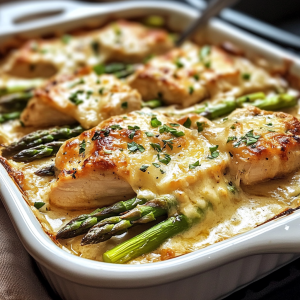
Creamy Chicken and Asparagus Casserole
Ingredients
FOR THE CASSEROLE
- 4 cups cooked chicken shredded or chopped (about 2 pounds cooked)
- 1 pound fresh asparagus trimmed and cut into 1 ½-inch pieces
- 1 small yellow onion diced
- 3 cloves garlic minced
- 8 ounces mushrooms sliced (optional)
FOR THE CREAMY SAUCE
- 3 tablespoons unsalted butter
- 3 tablespoons all-purpose flour or see notes for cornstarch swap
- 1 ½ cups chicken broth low-sodium preferred
- 1 cup whole milk or half-and-half
- ¾ cup sour cream
- ¾ cup grated parmesan cheese
- 2 cups shredded mozzarella cheese divided
- 1 teaspoon Italian seasoning
- ½ teaspoon black pepper
- 1 teaspoon Dijon mustard optional
- Salt to taste
OPTIONAL TOPPING
- ¾ cup panko breadcrumbs
- 1 tablespoon olive oil or melted butter
Instructions
- Preheat the oven to 375°F and grease a 9 x 13-inch baking dish.
- If using fresh asparagus, blanch it: boil water, cook asparagus for 1 minute, drain, then rinse with cold water. Set aside.
- Place a large skillet on the stove over medium heat. Melt 1 tablespoon of the butter. Add the onion and cook 3–4 minutes. If using mushrooms, add them and cook 6–8 minutes until the pan is mostly dry. Add the garlic and cook 30 seconds.
- Add the remaining butter to the skillet. Whisk in the flour and cook 1 minute. Slowly whisk in the chicken broth, then the milk. Simmer 3–5 minutes until thickened.
- Turn the heat to low and stir in sour cream, parmesan, 1 cup mozzarella, Italian seasoning, black pepper, and Dijon (optional). Taste and add salt as needed.
- Combine the cooked chicken and blanched asparagus with the sauce. Transfer to the baking dish and spread evenly.
- Sprinkle the remaining mozzarella over the top. If using panko, toss it with olive oil or melted butter and sprinkle over the cheese.
- Bake uncovered for 20–25 minutes, until hot and bubbly. Optional: broil 1–2 minutes at the end for extra browning.
- Rest 10 minutes before serving.