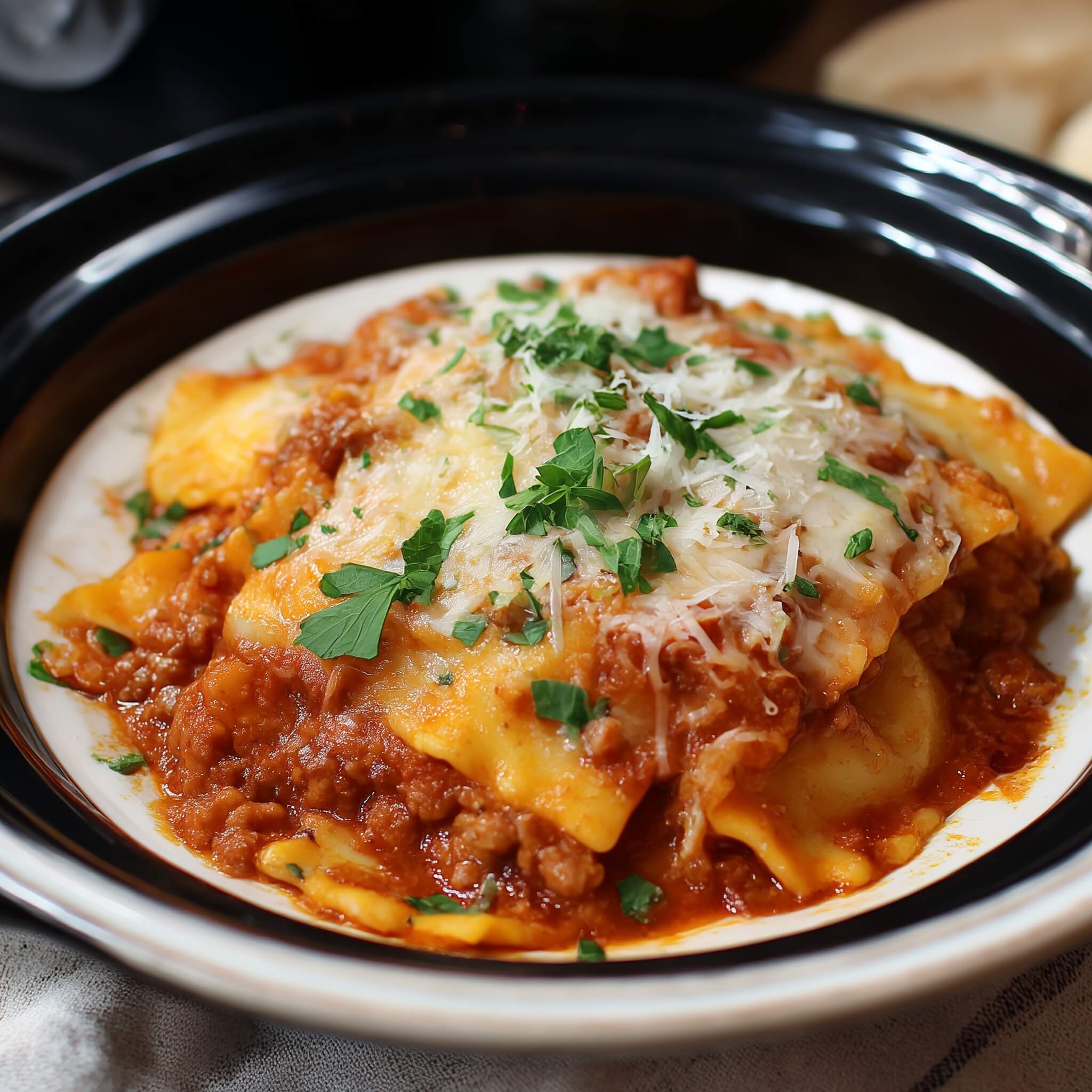
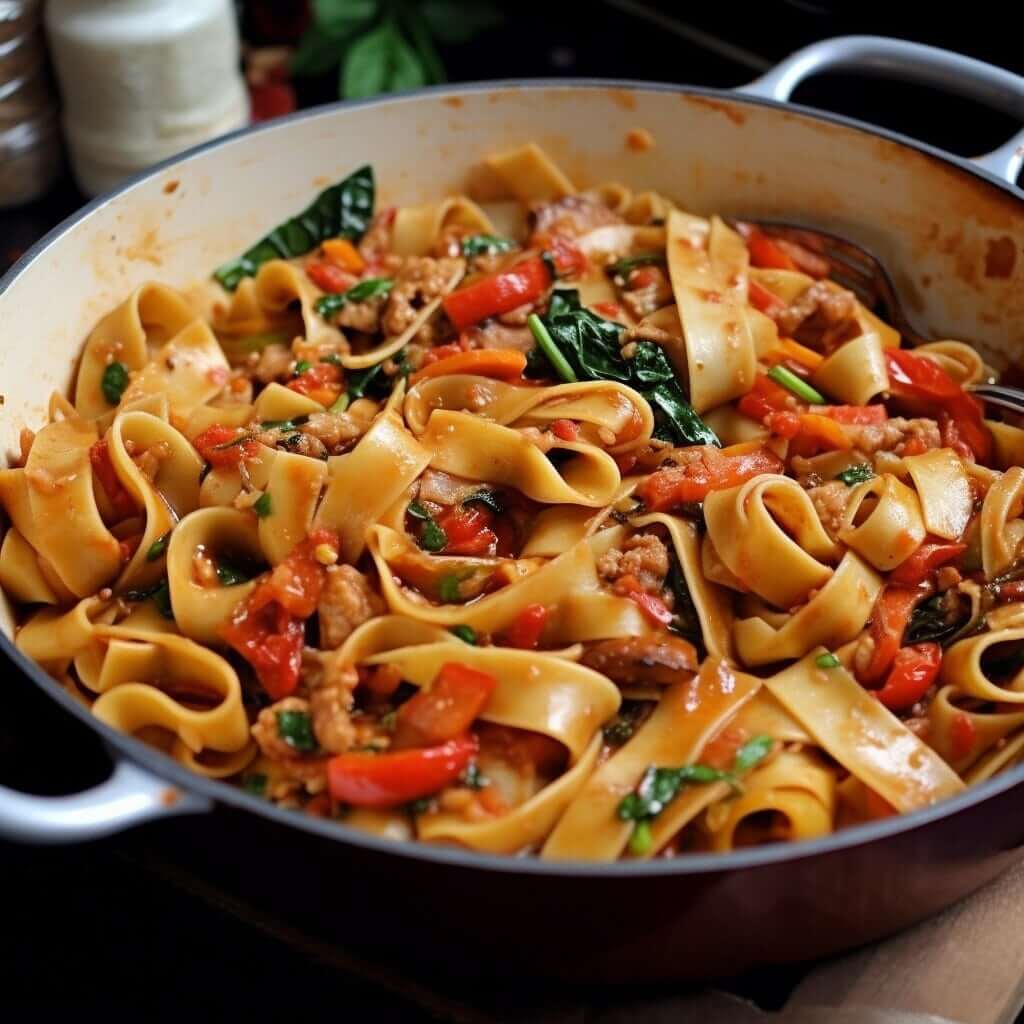
Italian drunken noodles are what I make when I want a pasta dinner that tastes bold and a little dramatic, but still fits into a regular weeknight. It’s saucy, loaded with peppers and onions, and packed with that savory sausage flavor that makes the whole kitchen smell like something serious is happening.
The name sounds wild, but the idea is simple. You cook pasta. You brown sausage. You sauté bell peppers and onions until they get sweet around the edges. Then you pull it together with a tomato-based sauce that’s rich, slightly tangy, and clings to every noodle. It’s the kind of sauce that coats, not floods.
The noodles matter here. Wide noodles hold onto the sauce and catch little pieces of sausage and softened peppers in every bite. And when you finish it with parmesan and fresh basil? That’s when it turns into the kind of pasta bowl people hover over.
This recipe is also flexible in a way that feels helpful. Make it mild. Make it spicy. Add mushrooms. Add spinach. Use turkey sausage if that’s what you’ve got. The method stays steady, and the flavor stays big.
And yes—this is one of those dishes that tastes even better the next day. The sauce thickens a little, the flavors settle in, and leftovers turn into the easiest lunch that doesn’t feel boring.
Frequently asked questions
What makes Italian drunken noodles “drunken” if there’s no wine in the recipe?
Some versions use wine in the sauce, but you can get the same vibe—deep flavor with a little tang—using broth plus a splash of vinegar. It keeps the recipe family-friendly while still giving the sauce that bold, “cooked down” taste.
What noodles work best for this recipe?
Wide noodles are the best match because they hold sauce. Pappardelle, fettuccine, mafalda, or even wide egg noodles all work. If you only have penne or rigatoni, those are great too since they trap sauce inside.
How do I keep the sauce from turning watery?
Two things help: cook the vegetables long enough that their moisture cooks off, and let the sauce simmer uncovered so it reduces. If you rush either step, the pan can look a little loose.
Can I make this ahead of time?
Yes. You can make the sauce (sausage + veggies + tomato mixture) up to 3 days ahead. Cook pasta fresh when you’re ready, then reheat the sauce and toss everything together. If you do cook the pasta ahead, toss it with a little olive oil so it doesn’t stick.
Ingredients
I’ve included notes and descriptions below for each ingredient in this recipe. For the exact ingredient measurements, jump to the recipe card at the bottom of this post.
Pasta – Wide noodles are perfect here. Pappardelle is my first choice, followed by fettuccine or mafalda. If you want a more “casserole-style scoop,” use penne or rigatoni.
Italian sausage – Use mild or hot Italian sausage, depending on your heat preference. Pork sausage brings the richest flavor, but turkey sausage works too. If your sausage is in casings, remove the casing before browning.
Bell peppers – A mix of red and yellow peppers gives sweetness and color. Green peppers add a sharper, classic “Italian sausage and peppers” flavor. Use what you like.
Onion – Yellow onion is the go-to. It turns sweet as it cooks and blends beautifully into the sauce.
Garlic – Fresh garlic adds depth. Add it after the peppers and onions soften so it doesn’t burn.
Tomato paste – This is a small ingredient that makes the sauce taste concentrated. Cooking it for a minute in the pan helps it turn deeper and a little sweeter.
Crushed tomatoes – Crushed tomatoes give you a thick, textured sauce that coats noodles well. Tomato sauce works, but crushed tomatoes usually taste more homemade.
Broth – Chicken broth or beef broth both work. Broth loosens the sauce so it can simmer and reduce without scorching.
Red wine vinegar – This gives the sauce that little spark that some people expect from “drunken” style noodles. It keeps the flavor bold without using wine.
Italian seasoning + basil + oregano (optional) – Italian seasoning is an easy shortcut. If you like more control, use dried basil and dried oregano separately.
Crushed red pepper flakes – Optional, but really good. Add a pinch for warmth or a bigger pinch if you like it spicy.
Brown sugar (optional) – Just a teaspoon can balance acidity, especially if your tomatoes taste sharp. Skip it if you prefer a more tangy sauce.
Parmesan cheese – Freshly grated parmesan melts into the sauce and finishes the bowl. Pre-grated works in a pinch, but freshly grated tastes cleaner.
Fresh basil (optional) – Adds freshness at the end. It’s not required, but it makes the dish taste brighter.
Heavy cream (optional) – If you want a slightly creamy finish, a small splash at the end softens the sauce. This turns it into more of a “rosé-ish” vibe without making it a cream sauce.
Instructions
For the full detailed recipe instructions and ingredient quantities, scroll to the recipe card at the bottom of this post.
1) Cook the pasta
Bring a large pot of salted water to a boil.
Cook the pasta according to package directions until al dente. Wide noodles cook fast, so keep an eye on them.
Reserve 1 cup of pasta water, then drain.
2) Brown the sausage
Place a large skillet (or Dutch oven) on the stove over medium-high heat.
Add the sausage and cook 6–8 minutes, breaking it up into small pieces, until browned and cooked through. If there’s a lot of grease, drain off most of it, leaving a tablespoon behind for flavor.
Transfer sausage to a plate.
3) Cook the peppers and onions
In the same skillet, add the sliced onions and peppers.
Cook 8–10 minutes, stirring occasionally, until softened and lightly browned. Let them sit against the pan for a minute here and there. That’s how you get sweetness and a little char.
Add the garlic and cook 30 seconds, just until fragrant.
4) Build the sauce
Push the vegetables to the side of the skillet and add the tomato paste in the center.
Stir and cook the paste for 1 minute. You’ll notice it darken slightly and smell richer.
Stir in the crushed tomatoes, broth, red wine vinegar, Italian seasoning, pepper flakes (if using), and a small pinch of salt and black pepper.
Bring to a gentle simmer and reduce the heat to medium-low.
5) Simmer until thick
Simmer uncovered for 10–12 minutes, stirring occasionally, until the sauce thickens and tastes more developed.
Taste and adjust:
-
add salt if needed
-
add a teaspoon of brown sugar if the tomatoes taste too sharp
-
add more pepper flakes if you want extra heat
6) Add sausage back in
Return the sausage to the skillet and stir it into the sauce.
Let it simmer 2–3 minutes so the flavors blend.
7) Toss with noodles
Add the cooked pasta to the skillet and toss until coated.
If the sauce feels too thick, add a splash of reserved pasta water until everything loosens and turns glossy.
8) Finish and serve
Remove from the heat.
Stir in parmesan. Add basil if using. Add a splash of cream if you want a softer finish.
Serve hot with extra parmesan on top.
Why this recipe works
Italian drunken noodles are basically built on the best parts of a few classic dinners: sausage and peppers, rich tomato sauce, and pasta that holds onto everything.
The key is that the steps do different jobs.
-
Browning the sausage builds deep flavor.
-
Cooking peppers and onions long enough brings sweetness and keeps the sauce from tasting raw.
-
Tomato paste gives the sauce a concentrated backbone.
-
Simmering uncovered thickens the sauce so it sticks to noodles instead of pooling.
Nothing is difficult, but the order matters. When you follow the sequence, you get a dish that tastes like it took longer than it did.
Best noodles to use
This recipe is forgiving, but the noodle choice changes the whole feel of the bowl.
Pappardelle
Wide, soft, and perfect for catching sauce and sausage pieces. If you want that restaurant-style look in the pan, this is it.
Fettuccine
A solid choice and easy to find. It holds sauce well and stays tender without falling apart.
Mafalda (mini lasagna ribbons)
These are amazing if you can find them. The ruffled edges grab sauce like crazy.
Wide egg noodles
Not traditional Italian pasta, but they work beautifully with this kind of sauce. They cook fast and soak up flavor.
Penne or rigatoni
If you want more of a “scoopable” pasta dish, use a tube shape. Great for leftovers too.
If you’re using a smaller noodle, keep the sauce a touch thicker so the dish doesn’t feel soupy.
How to build a bold sauce
If you’ve ever made a tomato sauce that tasted thin or one-note, it usually comes down to one of these things: not enough browning, not enough simmering, or missing that little balancing tang.
Here’s what helps.
Let the sausage brown
A little crust on sausage pieces adds flavor you can’t get by just simmering. It also seasons the pan, which seasons your sauce.
Cook down the vegetables
Peppers and onions carry moisture. If you don’t cook that moisture off, it ends up in the sauce and makes it feel watery.
You’re looking for softened vegetables with a few browned edges. That’s where the sweetness lives.
Cook the tomato paste
Raw tomato paste can taste sharp. One minute in the pan changes that. It turns deeper, slightly sweeter, and more “sauce-like.”
Add tang on purpose
A splash of vinegar sounds small, but it keeps everything balanced. Tomato sauce + sausage can taste heavy without it. You want the sauce to feel bright enough that you want another bite.
Use pasta water when you toss
Pasta water helps sauce cling. It turns the sauce silky and helps it coat noodles evenly.
Recipe tips
Salt your pasta water well.
It’s your only chance to season the noodles from the inside. A bland noodle can’t be fully fixed later.
Slice peppers and onions evenly.
Even slices cook evenly. You won’t end up with crunchy onion pieces and mushy peppers.
Simmer uncovered.
Covered simmering traps moisture. Uncovered simmering thickens sauce and concentrates flavor.
Use a big pan.
You want enough room to toss pasta without flinging sauce everywhere.
Taste near the end.
Tomatoes can be sweet or sharp depending on the brand. Adjusting at the end keeps you in control.
If your sauce is too spicy, soften it.
Add a splash of cream, an extra sprinkle of parmesan, or a tiny pinch of sugar. It calms heat without making the sauce bland.
Recipe variations
Creamy Italian drunken noodles
Stir in ¼ cup heavy cream at the end. Keep it gentle and don’t boil after adding cream. The sauce becomes softer and slightly richer.
Extra veggie version
Add sliced mushrooms with the peppers. Add spinach at the very end and let it wilt into the hot pasta. Great way to stretch the recipe.
Chicken sausage version
Swap Italian sausage for chicken sausage. It’s lighter but still flavorful. Add an extra tablespoon of olive oil if the pan looks dry.
Spicy arrabbiata-style
Use hot Italian sausage and add extra red pepper flakes. Finish with a little more vinegar for brightness.
Cheesy baked version
Transfer everything to a baking dish, top with mozzarella and parmesan, and bake at 400°F for 10–12 minutes until bubbly. This turns it into a pasta bake that feeds a crowd.
Gluten-free version
Use gluten-free pasta and keep a close eye on cook time. Gluten-free noodles can go from perfect to soft fast. Save pasta water and loosen sauce as needed.
What to serve with it
This pasta is bold and saucy, so sides that are simple and fresh work best.
-
a green salad with a tangy dressing
-
roasted broccoli or asparagus
-
sautéed green beans
-
a simple cucumber and tomato salad
-
garlic bread or warm bread (optional, but great for scooping sauce)
If you serve bread, keep it on the side. The pasta is already hearty.
Storage and reheating
Refrigerator: Store leftovers in an airtight container for up to 4 days.
Reheat on the stove (best): Add pasta to a skillet over medium heat with a splash of broth or water. Stir until hot and saucy again.
Reheat in the microwave: Microwave in 45-second bursts, stirring between each. Add a splash of liquid if it looks dry.
Wide noodles can soak up sauce as they sit. That’s normal. A small splash of broth brings it back.
Freezing and make-ahead
Make-ahead: Make the sauce (sausage + veggies + tomato mixture) up to 3 days ahead. Store it in the fridge. Cook pasta fresh and toss when ready.
Freezing: Freeze the sauce by itself for best texture. Cool completely, then freeze up to 2 months. Thaw in the fridge overnight and reheat on the stove.
Freezing fully assembled pasta works, but noodles soften after thawing. Still tasty, just less firm.
Italian Drunken Noodles
Ingredients
- 12 ounces pappardelle or fettuccine/mafalda
- 1 pound Italian sausage mild or hot, casing removed if needed
- 1 tablespoon olive oil only if pan is dry
- 1 large yellow onion thinly sliced
- 2 bell peppers thinly sliced (any colors)
- 4 cloves garlic minced
- 2 tablespoons tomato paste
- 1 can 28 oz crushed tomatoes
- ½ cup chicken or beef broth
- 1 tablespoon red wine vinegar
- 2 teaspoons Italian seasoning
- ½ teaspoon crushed red pepper flakes optional
- ½ teaspoon black pepper plus more to taste
- ½ –1 teaspoon salt start small, adjust at the end
- 1 teaspoon brown sugar optional, to balance acidity
- ¾ cup grated parmesan cheese plus more for serving
- ¼ cup chopped fresh basil optional
- ¼ cup heavy cream optional
Instructions
- Bring a large pot of salted water to a boil. Cook pasta until al dente. Reserve 1 cup pasta water, then drain.
- Heat a large skillet over medium-high heat. Brown the sausage 6–8 minutes, breaking it up. Drain excess grease if needed. Remove sausage to a plate.
- In the same skillet, cook onions and peppers 8–10 minutes until softened and lightly browned. Add garlic and cook 30 seconds.
- Add tomato paste to the pan and cook 1 minute, stirring.
- Stir in crushed tomatoes, broth, vinegar, Italian seasoning, pepper flakes (optional), pepper, and a small pinch of salt. Simmer uncovered 10–12 minutes until thick.
- Return sausage to the skillet. Simmer 2–3 minutes. Taste and adjust salt. Add brown sugar if needed.
- Toss pasta into the sauce. Add a splash of reserved pasta water if needed to loosen.
- Remove from heat. Stir in parmesan, basil (optional), and cream (optional). Serve hot.
Notes