
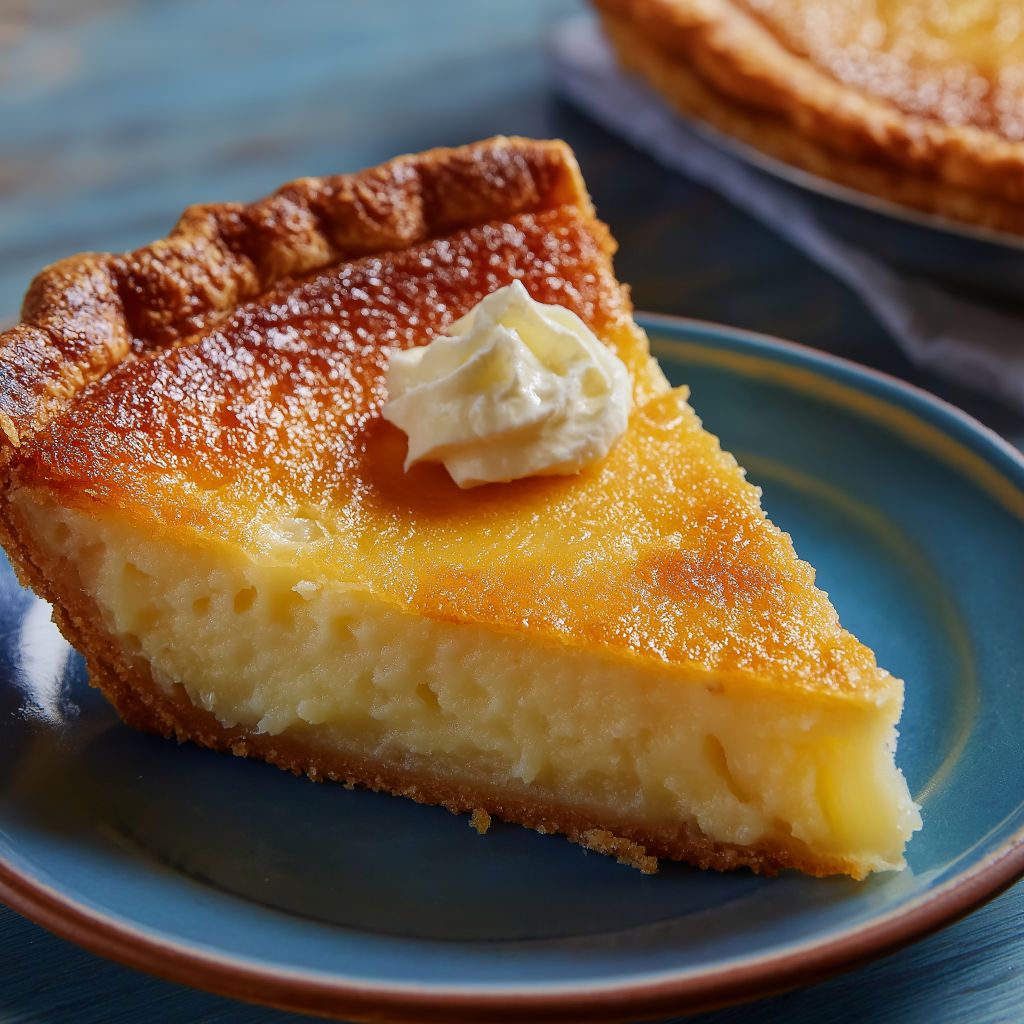
Southern buttermilk pie is the kind of dessert that doesn’t need a big introduction to prove itself. It’s simple. Quietly bold. Sweet, yes, but not the sugary kind of sweet that makes your teeth ache. It’s more balanced than that. The buttermilk gives it a gentle tang that keeps every bite feeling fresh, even though it’s a custard pie at heart.
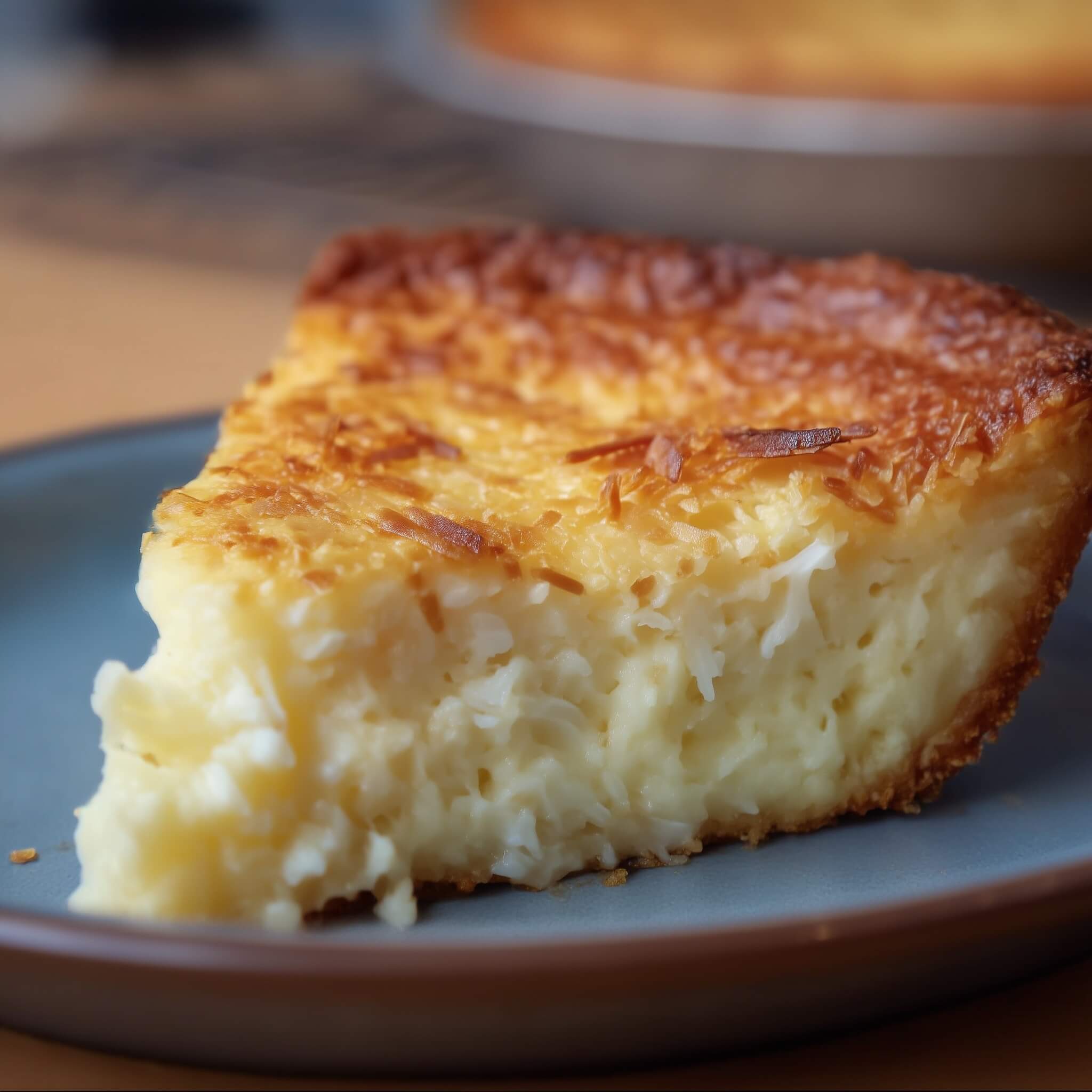
This is one of those pies that looks unassuming until you cut the first slice. The center is smooth and creamy, almost like a soft-set custard. The top bakes into a delicate golden layer that tastes a little toasty around the edges. And when it cools, the whole thing firms up into clean slices that still melt on your tongue.
What I love most is how reliable this pie can be once you know a few small rules. Don’t rush the mixing. Use room-temperature ingredients. Bake it until it’s set around the edges with a soft wobble in the center. Then walk away and let it cool properly, even if you want to dive in early. That cooling time is where the magic happens… not magic-magic. Just good baking science doing its thing.
If you grew up around Southern-style desserts, you already know the vibe: butter, sugar, eggs, a little vanilla, and a pie crust that does its job without stealing the show. Buttermilk pie fits right into that family. It’s cozy, familiar, and somehow still feels special enough for holidays, Sunday dinners, or any day you want something homemade that doesn’t turn your kitchen upside down.
And if you’ve never had it? This is the version I’d want you to try first.
Why You’ll Love This Recipe
-
Classic Southern flavor. Sweet custard with that gentle buttermilk tang.
-
Simple ingredients. Nothing fancy, nothing hard to find.
-
Smooth, sliceable texture. Creamy middle, lightly golden top.
-
Make-ahead friendly. It actually tastes better after chilling.
-
Perfect for gatherings. It travels well and serves beautifully.
Frequently Asked Questions (FAQs)
Can I use a store-bought pie crust?
Yes, and it works really well here. This filling is the star, so a good refrigerated crust is totally fine. If you’re using a frozen crust in a metal pan, let it thaw and follow the package notes for pre-baking (some need it, some don’t). The only thing I really care about is: don’t let the crust stay raw on the bottom.
What if I don’t have buttermilk?
Real buttermilk gives the best taste and texture, but you can make a quick substitute in a pinch. Stir 1 tablespoon lemon juice or white vinegar into 1 cup milk, let it sit 5–10 minutes, then use it. The pie will still be good, just a little less “classic” in flavor.
How do I know when buttermilk pie is done?
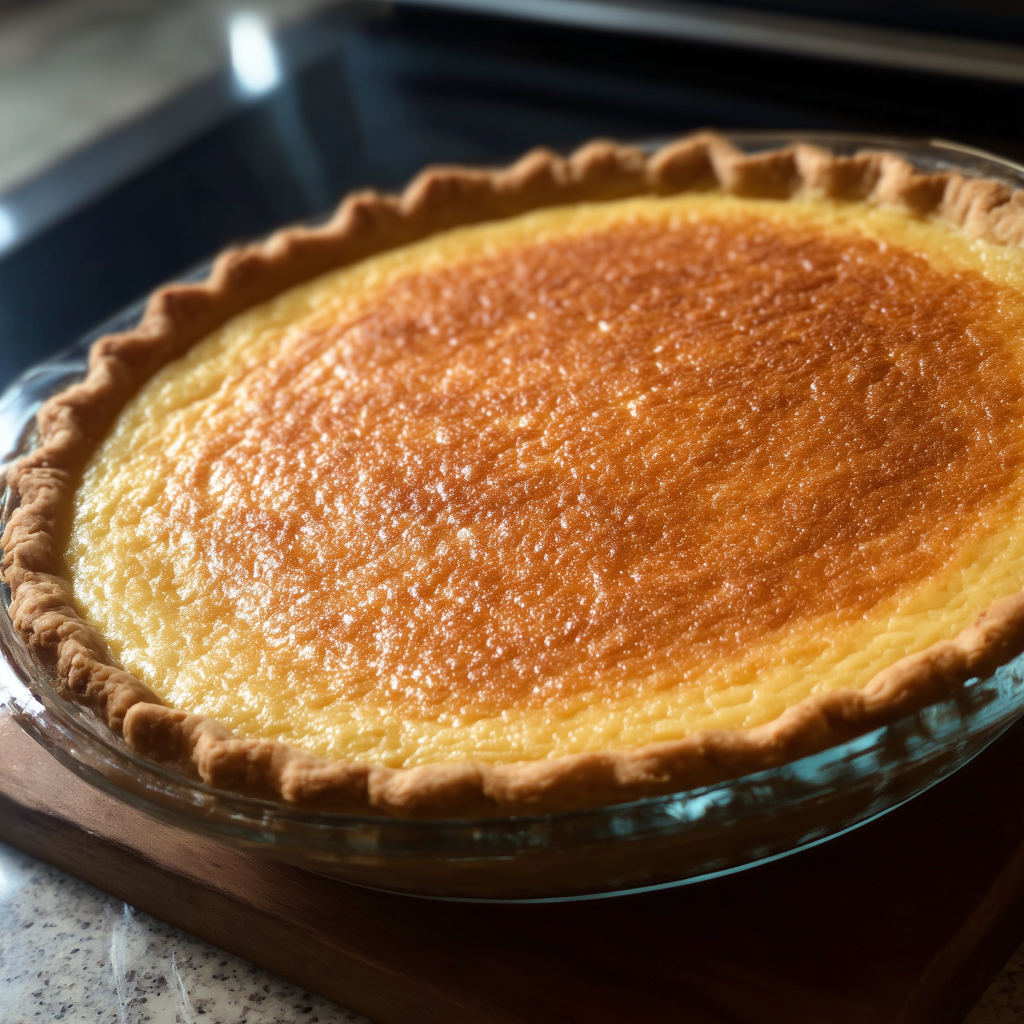
Look at the jiggle. The edges should be set and slightly puffed. The center should still wobble gently when you nudge the pan—like set gelatin, not like liquid. If it sloshes, it’s not ready. If it’s totally firm, it may be overbaked. A little wobble is your friend.
Why did my pie crack?
Cracks usually come from baking too hot, baking too long, or cooling too fast. Custard pies like gentle heat. Bake on the middle rack, avoid overbaking, and let the pie cool gradually at room temp before chilling.
Ingredients
I’ve included notes and quick tips below for each ingredient. For the exact measurements, scroll down to the recipe card at the bottom of this post.
Pie crust
You can use:
-
a homemade single crust
-
a refrigerated roll-out crust
-
a frozen deep-dish crust (thawed)
Buttermilk pie filling is thin before baking, so the crust needs to be snug in the dish with no big tears.
Tip: If you’re worried about a soggy bottom, you can blind-bake the crust for 8–10 minutes. More on that below.
Unsalted butter
Butter gives richness and that familiar “Southern pie” flavor. Melt it, then let it cool slightly so it doesn’t scramble the eggs.
If you only have salted butter, use it and reduce the added salt in the recipe.
Granulated sugar
This pie is sweet, but it shouldn’t taste like straight sugar. The buttermilk balances it. Stick to white sugar for the cleanest custard flavor.
Eggs
Eggs set the custard. Use large eggs. Room temp is best because they blend more smoothly and bake more evenly.
Buttermilk
The star ingredient. It adds tang and gives the custard a softer, creamier feel than plain milk.
Full-fat buttermilk is my pick if you have choices.
Flour (or cornstarch)
A small amount helps stabilize the filling so it slices clean and doesn’t weep. Flour keeps it traditional. Cornstarch gives an even silkier texture.
I include both options in the notes.
Vanilla extract
Vanilla rounds everything out and makes the pie taste warm and bakery-like.
Lemon juice (optional but helpful)
A tiny splash brightens the filling. It doesn’t make it lemon pie. It just keeps the sweetness in check.
Salt
Salt keeps custard from tasting flat. It’s a small amount, but it matters.
Nutmeg (optional)
A pinch on top is classic. It’s not required, but it adds that soft, old-fashioned warmth that feels right with buttermilk custard.
Instructions
I’ve written these steps in a way that feels calm and doable. For the full printable version with exact amounts, scroll to the recipe card at the bottom.
1) Preheat the oven
Preheat to 350°F (175°C).
Place a rack in the middle of the oven. Custard pies bake best when they aren’t too close to the top or bottom heat.
2) Prepare the crust
Fit the pie crust into a 9-inch pie dish. Crimp the edges.
If you’re using a refrigerated crust, let it warm slightly so it doesn’t crack while you shape it.
Optional blind-bake (helps with crisp bottoms):
Line the crust with parchment paper, fill with pie weights or dried beans, and bake 8–10 minutes. Remove weights and parchment, then continue with the filling.
If you skip blind-baking, that’s fine too—just bake the pie on the lower-middle rack so the bottom gets steady heat.
3) Mix the filling (don’t overdo it)
In a large bowl, whisk together the sugar, flour, and salt. This helps the flour distribute evenly so you don’t end up with little thick spots.
Add the eggs and whisk until smooth.
Pour in the melted butter and whisk again.
Add the buttermilk and vanilla (and lemon juice if using). Whisk just until the mixture looks combined and silky.
You don’t need to whip air into it. Custard likes a gentle hand.
4) Fill the crust
Pour the filling into the prepared crust.
If you’re using nutmeg, sprinkle a small pinch over the top. Keep it light.
5) Bake
Bake for 45–55 minutes, or until:
-
the edges are set
-
the center has a gentle wobble
-
the top is lightly golden
If the crust edges brown too fast, cover them with foil or a pie shield around the 30-minute mark.
6) Cool completely, then chill
Let the pie cool at room temperature for at least 2 hours.
Then refrigerate for at least 2 more hours before slicing. Chilling helps it firm up and gives you those neat slices that look like you knew what you were doing.
What Southern Buttermilk Pie Tastes Like
If you’ve ever had a custard pie that felt too eggy or too sweet, this is the opposite direction.
The texture is smooth and creamy, like a soft custard that holds its shape. The flavor is sweet, but the buttermilk adds a gentle tang that keeps it from feeling heavy. The top layer gets just a little toasted and golden while baking, which adds depth without changing the simplicity of the pie.
It’s not flashy. It’s not trying to be a “modern twist.” It’s classic dessert comfort.
And it pairs beautifully with coffee.
The Best Crust Options
Buttermilk pie doesn’t need an elaborate crust. It needs a crust that bakes through and tastes buttery.
Refrigerated crust
The easiest choice and a good one. Press it into the dish, crimp, and you’re ready.
Homemade crust
If you love baking crust from scratch, go for it. A flaky crust with this custard is a beautiful thing.
Frozen crust
Frozen crust can work, especially if you’re in full shortcut mode. Just thaw it if the package recommends it and keep an eye on the edges so they don’t overbrown.
Do you need to blind-bake?
Not always. But blind-baking helps if:
-
you like a crisp bottom crust
-
your pie dish is thick ceramic (slower heat)
-
your oven runs a little cool
If you’ve had soggy pie bottoms before, blind-bake once. You’ll notice the difference.
Why Room-Temperature Ingredients Matter
This pie is a custard. Custard is sensitive.
When eggs and buttermilk are cold, they don’t blend as smoothly. You can still make the pie, but the mixture takes longer to come together, and you’re more likely to over-whisk it while trying to smooth it out.
Room-temp ingredients mix quickly and bake evenly. The custard sets more gently, which helps with texture and helps prevent cracks.
Quick shortcut if you forgot:
-
Put eggs in a bowl of warm water for 5–10 minutes.
-
Let buttermilk sit on the counter for 15–20 minutes while you prep.
How to Avoid a Runny Center
A runny pie usually comes from one of these:
Underbaking
The center should wobble, but it shouldn’t look like liquid. If it sloshes, it needs more time.
Cutting too soon
This pie keeps setting as it cools. Cutting while it’s warm gives you a soft, loose slice.
Oven temperature issues
If your oven runs cool, it can take longer to set. An oven thermometer helps, but even without one, trust the visual cues more than the clock.
Too much liquid
Measure buttermilk carefully. This filling is already thin before baking.
If you want extra insurance, you can use cornstarch instead of flour (details in notes). Cornstarch firms custard a little more cleanly.
Variations
If you want to keep the soul of the pie but switch the mood, these are good options.
Brown sugar buttermilk pie
Swap ½ cup of the granulated sugar for light brown sugar. It adds a deeper, caramel-like note.
Coconut buttermilk pie
Stir ¾ cup sweetened shredded coconut into the filling before baking. The coconut floats a bit and adds texture.
Cinnamon-nutmeg version
Add ¼ teaspoon cinnamon to the dry ingredients and keep the nutmeg on top. Cozy and subtle.
Extra tangy version
Add the small splash of lemon juice and a little extra vanilla. It tastes brighter without turning into citrus pie.
Topping Ideas
Buttermilk pie doesn’t need toppings, but toppings are fun.
-
Light whipped cream
-
Fresh berries
-
A dusting of powdered sugar
-
A drizzle of caramel (keep it light)
-
A spoon of berry sauce if you want something a little extra
If you’re serving it at a gathering, whipped cream on the side makes it feel more “dessert table,” even though the pie stands on its own.
Serving Suggestions
This pie is best served cold or cool. Straight from the fridge is great, especially on warm days.
If you want it slightly softer, let slices sit at room temperature for 10 minutes before serving.
Pair it with:
-
coffee or tea
-
fresh fruit
-
a simple scoop of vanilla ice cream (yes, it works)
Storage and Make-Ahead Tips
Buttermilk pie is a gift for make-ahead planning.
Refrigerator
Cover and store in the fridge for up to 4 days.
Make-ahead
Bake it the day before. Chill overnight. Slice clean the next day. It tastes even better after that rest.
Transport
Keep it cold. If you’re traveling with it, store it in a cooler bag with an ice pack.
Freezing
You can freeze buttermilk pie, but the texture may change slightly. Custard pies sometimes thaw with a tiny bit of weeping.
If you want to freeze it anyway:
-
Chill the pie completely first.
-
Wrap slices tightly in plastic wrap, then foil.
-
Freeze up to 2 months.
-
Thaw overnight in the fridge.
For best texture, I prefer making it ahead and refrigerating instead of freezing.
Recipe Notes
-
If you want extra-stable slices, swap the flour for 1 tablespoon cornstarch. The texture turns a touch silkier.
-
Don’t whip the filling. Whisk gently and stop once smooth. Too much air can create bubbles and an uneven top.
-
If the top browns faster than you like, tent loosely with foil for the final 10–15 minutes.
-
A little wobble in the center is correct. It firms as it cools.
-
Chill before slicing. Warm buttermilk pie tastes fine, but it doesn’t slice nicely.
Southern Buttermilk Pie
Ingredients
- 1 unbaked 9-inch pie crust homemade or store-bought
- ½ cup unsalted butter melted and slightly cooled
- 1 ½ cups granulated sugar
- 3 large eggs room temperature
- 1 cup buttermilk room temperature
- 3 tablespoons all-purpose flour or 1 tablespoon cornstarch, see notes
- 1 tablespoon lemon juice optional
- 2 teaspoons vanilla extract
- ¼ teaspoon fine salt
- Optional: pinch of ground nutmeg for the top
Instructions
- Preheat oven to 350°F. Place rack in the middle.
- Fit pie crust into a 9-inch pie dish and crimp edges. (Optional: blind-bake 8–10 minutes with weights for a crisper bottom.)
- In a bowl, whisk sugar, flour, and salt. Add eggs and whisk smooth.
- Whisk in melted butter. Add buttermilk, vanilla, and lemon juice (optional). Whisk gently until combined.
- Pour filling into crust. Sprinkle nutmeg on top if using.
- Bake 45–55 minutes until edges are set and center gently wobbles. Cover crust edges if browning too fast.
- Cool at room temperature 2 hours, then chill at least 2 hours before slicing.
Notes


Thanks 😊