
There’s a certain kind of comfort dessert that doesn’t need a big introduction. You taste it and you already know what it’s doing. That’s homemade tapioca pudding for me.
It’s creamy without being heavy. Sweet, but not loud. And those little pearls? They’re the whole personality. Soft, slightly bouncy, almost translucent once they’re cooked through. When the pudding is warm, the texture feels extra silky and cozy. When it’s chilled, it turns thicker and spoonable, the kind of dessert you can tuck into the fridge and quietly look forward to later.
The homemade version is in a completely different league from the powdered mix. Not because it’s complicated, but because you control everything that makes it good: how tender the pearls get, how rich the milk tastes, how vanilla-forward you want it, and whether you keep it light or lean it closer to custard.
A great tapioca pudding has three things going for it:
-
Pearls that are fully cooked (no chalky centers)
-
A smooth base that tastes like real dairy and vanilla
-
A gentle set so it’s creamy, not gluey
This recipe is built around those details. You soak the pearls so they cook evenly. You warm them slowly so they don’t seize up. If you’re using eggs (and I recommend it), you temper them so the pudding tastes richer and sets beautifully without turning into scrambled egg.
And it’s forgiving. If it thickens too much, you loosen it. If it feels thin, you give it a few more minutes. You can keep it classic, or take it in a dozen directions: coconut milk, brown sugar, cinnamon, lemon, even a subtle chocolate swirl.
This is one of those recipes that feels simple while you’re making it, then tastes like you did something special. Not flashy. Just deeply good.
Frequently asked questions
Do I have to soak tapioca pearls first?
For small pearl tapioca, soaking makes the biggest difference in texture. It helps the pearls cook evenly so you don’t end up with a gummy outside and a firm center. If you’re using “quick-cooking” or “minute” tapioca, follow the package method instead—those are designed for shorter cook times.
Why did my pudding turn out runny?
Most runny pudding needs either more time on gentle heat or a longer chill. Tapioca thickens as it cools. If it’s still thin after chilling, the pearls may not have cooked long enough to release their starch, or the mixture didn’t simmer long enough to thicken.
How do I keep the eggs from curdling?
Temper them slowly. Whisk the eggs in a bowl, then whisk in a ladle of hot tapioca mixture a little at a time. Once the eggs are warm, pour them back into the pot while whisking. Keep the heat low and don’t let it boil.
Can I make tapioca pudding without eggs?
Yes. The texture will be slightly lighter and less custard-like, but still creamy and delicious. You’ll rely on the tapioca starch and gentle simmering to thicken the pudding. I’ve included notes below for the egg-free method.
Ingredients
I’ve included notes and descriptions below for each ingredient in this recipe. For the exact ingredient measurements, jump to the recipe card at the bottom of this post.
Small pearl tapioca
This recipe is written for small pearl tapioca (not instant pudding mix). The pearls are tiny, but they still need time to soften and turn translucent.
If your tapioca is labeled “quick-cooking” or “minute tapioca,” the timing and method can be different. You can still make pudding with it, but you’ll want to follow the package guidance for simmer time and adjust as needed.
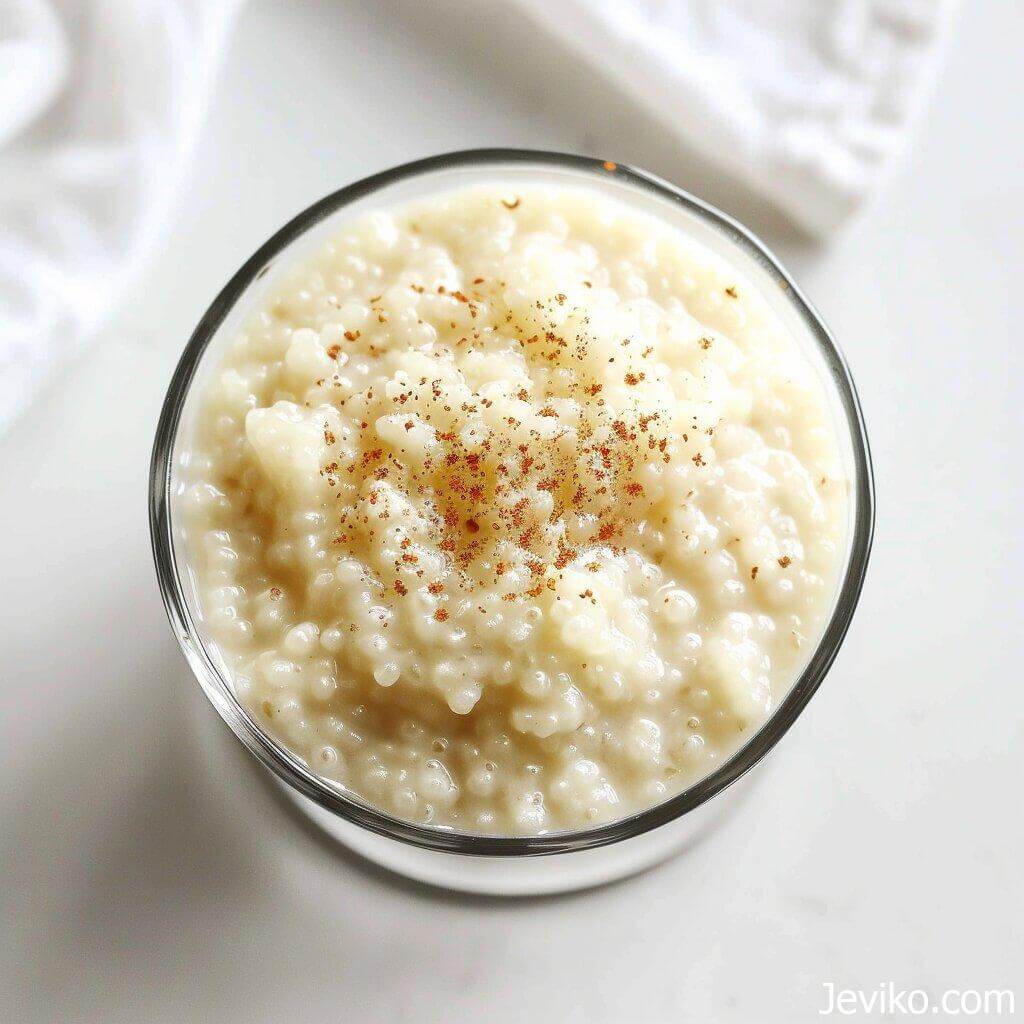
What you’re looking for when it’s cooked: pearls that are mostly clear with just a faint dot in the center, and they feel tender when you press one between your fingers.
Milk
Milk is the foundation. The flavor matters.
-
Whole milk gives the best richness and the most classic texture.
-
2% milk works and still tastes good.
-
Half-and-half makes it extra lush, but it can thicken faster, so keep the heat gentle.
If you prefer a dairy-free version, you can use canned coconut milk plus a little unsweetened almond milk or oat milk. Coconut milk alone can be very rich, so a mix keeps it balanced.
Sugar
Plain granulated sugar keeps the flavor clean. You can swap part of it for light brown sugar if you want a warmer, caramel-like note.
Egg yolks (or whole eggs)
Eggs make the pudding taste richer and give it a softer “custard” finish. I like using egg yolks because they add creaminess without making the pudding taste eggy.
If you don’t want to use eggs, you can leave them out. The pudding will still thicken, just with a lighter body.
Salt
A small pinch does real work here. It sharpens the vanilla, balances sweetness, and keeps the pudding from tasting flat.
Vanilla
This is where the cozy flavor comes from.
-
Vanilla extract is perfect.
-
Vanilla bean paste is lovely if you want those little specks.
-
A vanilla bean is beautiful if you have one, but not required.
Butter (optional)
A tablespoon at the end gives the pudding a glossy, rich finish. Not necessary, but it’s a nice touch.
Optional: cinnamon or nutmeg
A tiny pinch can make the flavor feel warmer. Keep it subtle. This dessert should still taste like vanilla cream first.
Which tapioca to buy
There are a few kinds that show up in stores, and they behave differently.
Small pearl tapioca
This is the classic for homemade pudding. It needs soaking and a gentle simmer, but the texture is the best—soft pearls with a pleasant chew.
Minute or quick-cooking tapioca
This cooks faster and often doesn’t require a long soak. The pudding can set a little differently, sometimes slightly more gelled. It still tastes good, just not quite the same pearl texture.
Large pearl tapioca
This is the boba-style pearl. It’s great in bubble tea, not ideal for this pudding. It takes longer to cook and the pearls are big enough to dominate the spoon.
If you’re standing in the baking aisle and you’re unsure, choose small pearl tapioca for the most traditional homemade result.
Milk choices and texture
If you want your pudding to taste like the kind you remember, whole milk is the easiest path.
If you want it richer, use a mix:
-
3 cups whole milk
-
1 cup half-and-half
If you want it lighter, 2% milk works. Just expect a slightly thinner body.
Dairy-free can be excellent too, but the flavor changes. Coconut milk makes it taste tropical and a little sweeter even without extra sugar. Oat milk gives a gentle, toasty vibe. Almond milk is lighter and can taste less creamy unless you add a little coconut cream or a spoonful of dairy-free butter at the end.
How to make homemade tapioca pudding
I’ve included step-by-step instructions below to make this recipe easy to follow at home. For the full detailed recipe instructions and ingredient quantities, scroll to the recipe card at the bottom of this post.
Step 1: Soak the tapioca
Add the small pearl tapioca to a bowl and cover with water.
Let it soak for 30 minutes. This softens the pearls so they cook evenly later.
Drain well in a fine-mesh strainer.
Step 2: Start the pudding base
In a medium heavy-bottom saucepan, combine:
-
milk
-
sugar
-
salt
-
drained tapioca
Set the pan over medium heat and stir frequently as it warms. Milk can scorch if you ignore it, especially near the end when it thickens.
When it reaches a gentle simmer, reduce the heat to medium-low.
Step 3: Cook until pearls turn translucent
Simmer gently for 12–18 minutes, stirring often, until:
-
the pearls look mostly translucent
-
the mixture thickens slightly
-
the texture looks creamy, not watery
If the pearls still look bright white and feel firm, keep going. Tapioca is done when it’s tender, not when the clock says so.
Step 4: Temper the egg yolks
While the tapioca simmers, whisk the egg yolks in a bowl until smooth.
When the tapioca mixture is hot and the pearls are nearly tender, ladle about ½ cup of the hot mixture into the yolks slowly, whisking constantly.
Add another ladle, whisking again. You’re warming the yolks so they blend in smoothly.
Step 5: Add eggs back to the pot
Pour the tempered yolk mixture back into the saucepan in a thin stream while whisking.
Keep the heat on low and cook for 2–4 minutes, stirring constantly, until the pudding thickens to a creamy, spoon-coating consistency.
Do not boil. A quiet simmer is enough.
Step 6: Finish with vanilla
Remove the pan from the heat.
Stir in vanilla (and butter if using). The vanilla smells stronger when it hits the warm pudding, and that’s exactly what you want.
Step 7: Chill or serve warm
You can serve it warm right away, but it thickens more once it cools.
For chilled pudding:
-
Spoon it into a bowl or individual cups.
-
Press plastic wrap directly onto the surface (this prevents a skin).
-
Refrigerate at least 3 hours.
Tips for a smooth, creamy pudding
Stir more than you think you need to
Tapioca settles. Milk scorches. Stirring keeps the pearls moving and the base smooth.
Use gentle heat
High heat can make milk taste cooked and can push the eggs too far. Slow and steady gives you the best texture.
Don’t rush the pearl cook
If the pearls aren’t tender, the pudding will feel gritty. Give them time. They’ll turn translucent when they’re ready.
Temper patiently
Hot pudding + cold yolks = trouble if you dump it in fast. A couple ladles, steady whisking, then back into the pot. Easy once you’ve done it.
Chill with plastic wrap on the surface
That “pudding skin” is optional, but most people don’t love it. Plastic wrap right on the surface keeps it creamy.
If you like a skin, skip the wrap and let it form. Some people grew up loving that part.
Common problems and quick fixes
“My pudding is too thick.”
This happens after chilling, and it’s normal.
Fix it by stirring in a splash of milk until it loosens to the texture you like. Do it a little at a time so you don’t over-thin it.
“My pudding is too thin.”
Give it time first. Tapioca thickens as it cools.
If it’s still thin after chilling, it likely needed more simmer time on the stove. Next time, cook a few minutes longer before adding the eggs back in.
“The pearls feel hard.”
That’s undercooked tapioca. It needed more gentle simmer time, or a longer soak.
If you catch this while it’s still on the stove, keep simmering with a splash more milk. If you catch it after chilling, rewarm gently and cook a little longer until the pearls soften.
“It tastes eggy.”
That usually means the heat was too high after adding the eggs, or the eggs weren’t tempered enough.
Use yolks instead of whole eggs for a cleaner flavor, and keep the heat low once eggs are involved.
“It has little bits in it.”
Those are likely tiny bits of cooked egg. It happens if the pot got too hot.
You can strain the pudding through a fine-mesh sieve while it’s still warm. It will smooth right out.
Variations
This pudding is a classic for a reason, but it also welcomes small twists without losing its cozy feel.
Coconut tapioca pudding
Replace 1 cup of the milk with canned coconut milk. Add a little extra vanilla. Top with toasted coconut if you want something pretty.
The flavor turns slightly tropical, still soft and creamy.
Brown sugar vanilla
Swap ¼ cup of the sugar for light brown sugar. It adds a gentle caramel note that tastes especially good when served warm.
Cinnamon-honey version
Use a small pinch of cinnamon and replace 2 tablespoons of sugar with honey. Stir honey in at the end with vanilla so it keeps its aroma.
Chocolate ripple
Make the pudding as written. Melt ¼ cup chocolate chips with a tablespoon of cream, then swirl it into the warm pudding when you portion it. Don’t fully mix. Let it marble.
Lemon-vanilla
Add 1 teaspoon lemon zest at the end with the vanilla. It brightens the flavor and keeps the pudding from tasting overly rich.
Egg-free pudding
Skip the yolks entirely. Cook the tapioca longer at a gentle simmer until it thickens well, then add vanilla at the end.
The result is still creamy, just lighter and less custard-like.
What to serve with it
This pudding doesn’t need much, but small toppings can make it feel extra special.
-
a dusting of cinnamon
-
fresh berries
-
sliced bananas
-
toasted coconut
-
a spoonful of cherry preserves
-
a few shaved chocolate curls
If you’re serving it warm, a drizzle of cream over the top is simple and lovely. If you’re serving it cold, fresh fruit adds brightness.
Storage and reheating
Storage
Store covered in the refrigerator for up to 4 days.
For the smoothest texture, keep plastic wrap pressed onto the surface, or store in individual cups with lids.
Reheating
You can eat it cold, or warm it gently.
Warm in the microwave in short bursts (20–30 seconds), stirring between each. Add a splash of milk if it thickened too much in the fridge.
Stovetop reheating works too—low heat, stir often, add milk as needed.
Freezing and make-ahead
Tapioca pudding can be made ahead easily, and it’s often better after a full chill because the flavor settles.
Freezing is possible, but the texture can change. The pearls can become slightly softer after thawing. If you do freeze it, freeze in small portions and thaw overnight in the fridge, then stir well.
If texture matters most, keep it refrigerated and enjoy within a few days. That’s where it shines.
Homemade Tapioca Pudding
Ingredients
- ½ cup small pearl tapioca
- Water for soaking
- 4 cups whole milk
- ⅔ cup granulated sugar
- ¼ teaspoon salt
- 3 large egg yolks
- 2 teaspoons vanilla extract or 1 teaspoon vanilla bean paste
- 1 tablespoon unsalted butter optional
Instructions
- Soak tapioca: Place tapioca in a bowl, cover with water, and soak 30 minutes. Drain well.
- Heat base: In a saucepan over medium heat, combine milk, sugar, salt, and drained tapioca. Stir frequently as it warms.
- Simmer: Reduce to medium-low and simmer 12–18 minutes, stirring often, until pearls are mostly translucent and mixture thickens slightly.
- Temper yolks: Whisk yolks in a bowl. Slowly whisk in ½–1 cup hot tapioca mixture, a little at a time.
- Thicken: Pour yolk mixture back into the pot while whisking. Cook on low 2–4 minutes, stirring constantly, until creamy and spoon-coating. Do not boil.
- Finish: Remove from heat and stir in vanilla (and butter if using).
- Chill or serve: Serve warm, or transfer to containers, press plastic wrap onto the surface, and refrigerate at least 3 hours.