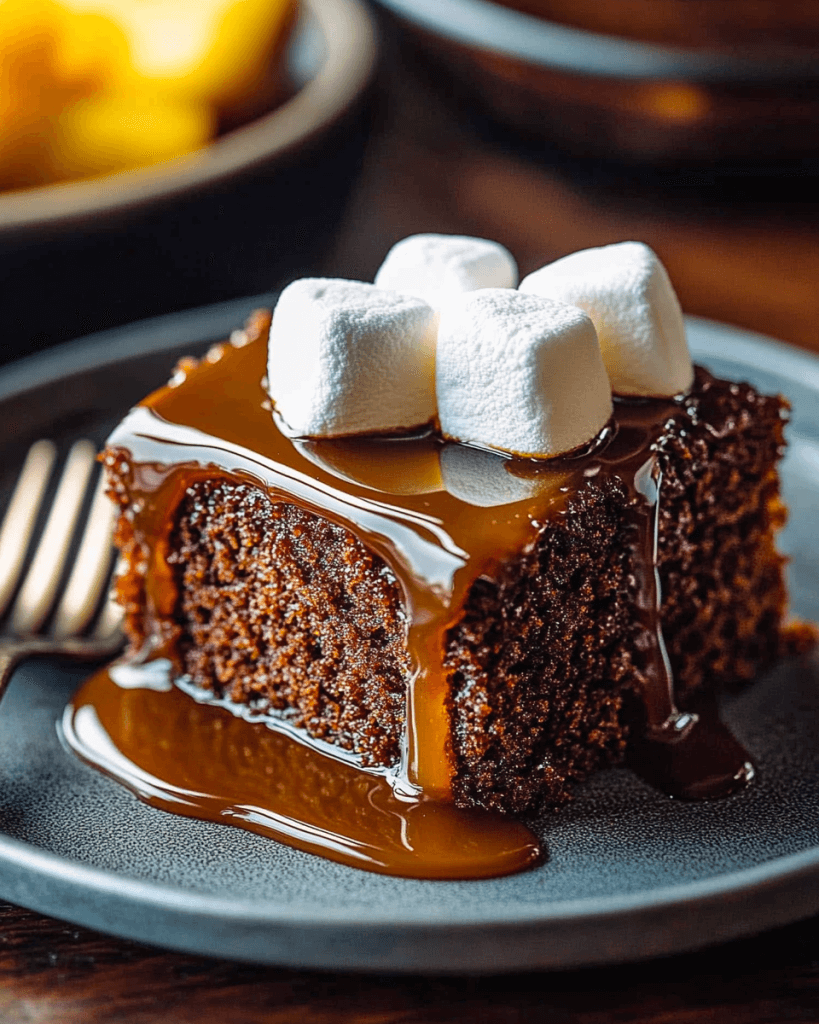
Gingerbread cake is the dessert I reach for when I want cozy, bold spice without a lot of fuss. It’s soft and tender, with that deep molasses flavor that tastes like the holidays. But it’s not only a holiday thing. This cake works all winter long. It even feels right on a rainy spring day when you want something warm and comforting.
The best part? It’s the kind of cake that doesn’t ask for perfection.
No layers to level. No fancy decorating. No stress.
You mix. You bake. You frost (or don’t). Then you grab a fork and go right in.
This version is old-school in the best way. Plenty of ginger. A real molasses flavor that doesn’t fade after baking. A tender crumb that stays soft for days. And a frosting option that’s creamy and tangy, which is exactly what a spiced cake wants.
Frequently asked questions
Why did my cake sink in the middle?
Most common reasons:
-
the cake was underbaked
-
the oven door was opened too early
-
the baking soda or baking powder was old
Make sure your leaveners are fresh and give the cake the full bake time it needs.
Can I make this without eggs?
Eggs help with structure, so swaps can change the texture.
If you need an egg-free version, you can try replacing each egg with a flax egg. The cake will be a bit denser, but still tasty.
My gingerbread tastes bitter. What happened?
Usually it’s blackstrap molasses, or too much clove.
Use unsulphured molasses and keep cloves measured carefully. A little clove goes a long way.
Can I reduce the sugar?
You can reduce the brown sugar slightly, but don’t cut it too much.
Sugar affects moisture and texture, not just sweetness. Gingerbread cake should be soft and tender, and sugar helps with that.
Can I bake it in advance for a holiday?
Yes, and it’s one of the best make-ahead desserts.
Bake it the day before, cool, cover, and store. Frost the next day (or frost right away and refrigerate). The flavor gets even better after resting.
Ingredients
Here I explain the best ingredients for this gingerbread cake recipe, what each one does, and substitution options. For the exact ingredient measurements, see the recipe card at the bottom of this post.
Molasses
This is the signature flavor. Molasses gives gingerbread cake its deep color, that slightly smoky sweetness, and the “real gingerbread” taste that you can’t fake with just brown sugar.
Use unsulphured molasses. It’s the most common baking molasses and gives you the best flavor.
Avoid blackstrap unless you truly love an intense, bitter edge. Blackstrap is strong. It can take over the whole cake.
Brown sugar
Brown sugar adds extra warmth and moisture. It also supports the molasses so the flavor tastes rounded instead of sharp.
Light or dark brown sugar both work. Dark brown sugar gives a stronger caramel note.
Butter and oil
This combo is my favorite for spiced cakes.
-
Butter brings flavor.
-
Oil keeps the crumb soft for days.
If you only use butter, the cake can firm up faster after it cools. If you only use oil, you lose that buttery richness. Together, they hit the sweet spot.
Eggs
Eggs bind the batter and help the cake rise evenly. Use large eggs.
Buttermilk
Buttermilk makes the cake tender and gives it a gentle tang that balances the sweetness.
No buttermilk? Mix 1 tablespoon lemon juice or white vinegar with 1 cup milk, let it sit 5 minutes, then use it.
Flour
All-purpose flour works perfectly here. Gingerbread cake is supposed to feel soft but sturdy, not airy like sponge cake.
Baking soda and baking powder
Molasses is acidic, so baking soda is especially important. It reacts with the molasses and helps the cake rise while staying tender.
A little baking powder gives extra lift and a lighter crumb.
Spices
This is where gingerbread becomes gingerbread.
-
Ground ginger is the main event.
-
Cinnamon adds warmth.
-
Cloves add that classic holiday bite.
-
Nutmeg adds depth.
You can adjust the spice level, but I recommend making it as written once before tweaking. This blend tastes balanced and bold without being overpowering.
Salt and vanilla
Salt keeps the sweetness in check. Vanilla rounds out the spice and makes the cake taste more “baked dessert” than “spice mix.”
Hot water or hot coffee
Hot liquid wakes up the spices and helps the molasses blend smoothly into the batter.
Coffee won’t make the cake taste like coffee. It just makes the molasses and spice taste richer. If you don’t want to use coffee, hot water works great.
Choosing the right molasses
Molasses can be confusing because there are a few types, and they behave differently in baking.
Here’s the simple breakdown:
-
Unsulphured molasses: best for baking, classic flavor, sweet and rich.
-
Light molasses: sweeter, milder. Works, but the cake will taste less deep.
-
Dark molasses: stronger and richer than light. Also great.
-
Blackstrap: very strong and bitter. Not my first pick for cake.
If you want that nostalgic gingerbread flavor, go with unsulphured (light or dark). That’s the “right” gingerbread taste most people expect.
Best pan to use
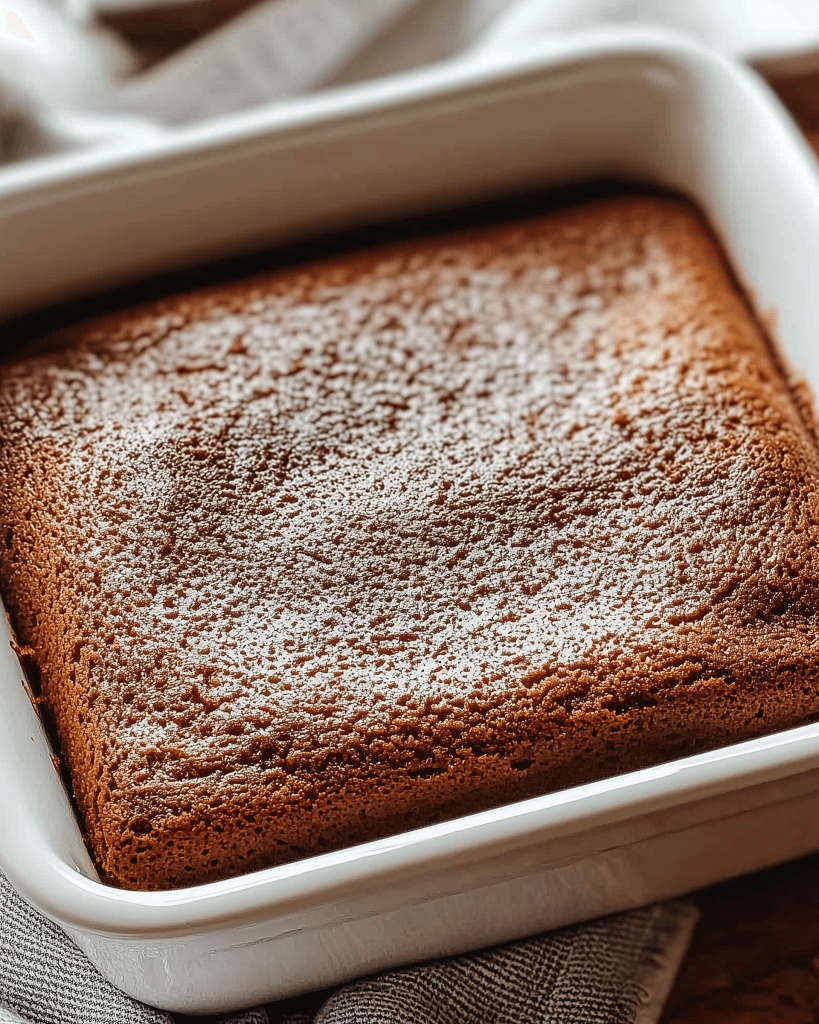
This recipe is designed for a 9 x 13-inch baking dish, which makes it easy to slice and serve. It’s also the easiest shape for frosting without dealing with edges sliding around.
You can also use:
-
Two 9-inch round pans for a layer-style presentation (reduce bake time and watch closely).
-
A bundt pan for a pretty shape (grease it well, and expect a longer bake time).
-
A 9-inch square pan for thicker slices (bake a bit longer).
I stick with 9 x 13 when I’m bringing it to a gathering. Easy portions. No fragile slices. No drama.
Instructions
I’ve included step by step instructions below to make this recipe super easy to follow at home. For the full detailed recipe instructions and ingredient quantities, scroll to the recipe card at the bottom of this post.
1) Prep the oven and pan
Preheat the oven to 350°F.
Grease a 9 x 13-inch baking dish. If you want extra easy removal, line it with parchment paper, leaving a little overhang on the long sides.
2) Mix the dry ingredients
In a large bowl, whisk together the flour, baking soda, baking powder, salt, ginger, cinnamon, cloves, and nutmeg.
Whisking the spices into the flour first helps them spread evenly through the cake. No random clove pockets. No dull bites.
3) Mix the wet ingredients
In a separate bowl, whisk together the melted butter, oil, brown sugar, and molasses until smooth and glossy.
Add the eggs and whisk again.
Then whisk in the buttermilk and vanilla.
This mixture should look like a silky, dark caramel. That’s when you know you’re on the right track.
4) Combine wet and dry
Pour the wet mixture into the bowl with the dry ingredients.
Stir until you don’t see streaks of flour, but don’t overmix. When the batter looks mostly smooth, stop.
Overmixing can make the cake tougher. Gingerbread should be soft and plush.
5) Add the hot liquid
Slowly pour in the hot water or hot coffee while stirring.
The batter will loosen up. That’s normal. It should pour easily into the pan.
6) Bake
Pour the batter into the prepared baking dish and smooth the top.
Bake for 28–35 minutes, or until a toothpick inserted in the center comes out with a few moist crumbs.
Let the cake cool in the pan for at least 30 minutes before frosting. If you frost while it’s warm, the frosting will melt and slide.
7) Frost (optional) and slice
Once the cake is fully cooled, frost it, slice it, and serve.
If you want clean slices, chill the frosted cake for 20 minutes, then cut with a sharp knife wiped clean between cuts.
Recipe tips
Measure molasses without the mess
Molasses loves to cling to measuring cups like it owns the place.
Quick trick: lightly coat the measuring cup with a little oil or nonstick spray before measuring. The molasses slides right out.
Don’t skip the hot liquid
This step does more than thin the batter. It helps the molasses blend evenly and it wakes up the spices.
You’ll taste the difference.
Watch the bake time
Gingerbread cake can go from perfect to dry if it stays in the oven too long.
Start checking at 28 minutes. You want a toothpick that comes out with a few moist crumbs. Not wet batter. Not totally clean and dry.
Cool completely before frosting
This is the hardest part because the cake smells incredible.
Still, letting it cool fully keeps the frosting thick and creamy, not runny. It also helps the spice flavor settle in.
Want a deeper flavor?
Make the cake the day before.
Spiced cakes taste better after they sit overnight. The ginger and molasses mellow and blend, and the cake feels even softer the next day.
Frosting options
You can serve gingerbread cake plain, dusted with powdered sugar, or topped with a simple glaze. But if you want the classic “wow” finish, frosting is the move.
Here are the best choices.
Cream cheese frosting (my favorite)
Tangy, creamy, and rich. It balances the spice perfectly.
It’s also the frosting people recognize with gingerbread. The combo just works.
Whipped cream
If you want a lighter finish, homemade whipped cream is perfect. It keeps each slice from feeling too heavy, especially after a big meal.
Add a pinch of cinnamon to the whipped cream if you want it to match the cake.
Brown sugar glaze
A quick glaze made with butter, brown sugar, a splash of milk, and powdered sugar tastes like a warm caramel drizzle. It’s sweet, simple, and very old fashioned.
Vanilla buttercream
Sweeter than cream cheese frosting, but still delicious. If you’re serving kids who don’t love tangy frosting, buttercream can be the easiest crowd-pleaser.
Optional additions and variations
Add chopped apples
Fold 1–2 cups peeled, diced apples into the batter before baking.
The apples soften into little pockets of fruity sweetness, and they taste amazing with ginger and molasses.
Add crystallized ginger
If you love bold ginger flavor, stir in 2–3 tablespoons chopped crystallized ginger.
It gives little bursts of spicy-sweet bite. Start small. It’s powerful.
Add nuts
Chopped walnuts or pecans add crunch and a toasty flavor that plays nicely with the spices.
Sprinkle them over the top before baking, or fold them into the batter.
Make it extra dark and rich
Use dark brown sugar and dark unsulphured molasses. This gives you a deeper flavor and a darker crumb.
Make it into cupcakes
Line a muffin pan and fill each cup about ⅔ full. Bake around 16–20 minutes.
Cupcakes are great for parties because everyone gets their own portion, and frosting is easy.
Make it dairy-free
Use a plant-based butter and a neutral oil, then use dairy-free milk + vinegar for the “buttermilk” step.
For frosting, go with a simple powdered sugar glaze or a dairy-free cream cheese frosting.
What to serve it with
Gingerbread cake is already rich, so the best pairings are either creamy or fresh.
-
Vanilla ice cream melts into the warm spice and tastes amazing.
-
Whipped cream keeps it light.
-
Caramel sauce adds a sweet drizzle that’s perfect for holidays.
-
Fresh pears or sliced apples on the side add a crisp, fresh bite.
-
Hot coffee or chai-style tea pairs beautifully with the spices.
If you’re serving it after a big dinner, smaller slices go a long way. This cake is flavorful. You don’t need a giant piece for it to hit the spot.
How to store and freeze it
Storing at room temperature
If the cake is unfrosted, you can cover it tightly and store it at room temperature for 2 days.
After that, move it to the fridge so it stays fresh.
Storing in the refrigerator
If the cake is frosted with cream cheese frosting, store it covered in the refrigerator for up to 5 days.
Let slices sit at room temperature for 10–15 minutes before serving. The crumb softens and the frosting tastes creamier.
Freezing
Gingerbread cake freezes really well.
To freeze unfrosted cake:
Cool completely, wrap tightly (plastic wrap + foil), then freeze up to 3 months.
To freeze frosted cake:
Freeze the cake uncovered for 1 hour to firm up the frosting, then wrap and freeze.
Thaw overnight in the fridge for the best texture.
Gingerbread Cake
Ingredients
GINGERBREAD CAKE
- 2 ½ cups all-purpose flour
- 1 teaspoon baking soda
- 1 teaspoon baking powder
- ½ teaspoon salt
- 2 teaspoons ground ginger
- 1 ½ teaspoons ground cinnamon
- ¼ teaspoon ground cloves
- ¼ teaspoon ground nutmeg
- ½ cup unsalted butter melted and slightly cooled
- ¼ cup neutral oil vegetable, canola, or avocado oil
- ¾ cup packed brown sugar
- ¾ cup unsulphured molasses
- 2 large eggs
- 1 cup buttermilk
- 2 teaspoons vanilla extract
- ¾ cup hot water or hot coffee
CREAM CHEESE FROSTING (OPTIONAL)
- 8 ounces cream cheese softened
- ½ cup unsalted butter softened
- 3 cups powdered sugar
- 1 teaspoon vanilla extract
- ⅛ teaspoon salt
- 1 –2 tablespoons milk or heavy cream as needed for texture
Instructions
BAKE THE CAKE
- Preheat the oven to 350°F. Grease a 9 x 13-inch baking dish (line with parchment if you want easy lifting).
- In a large bowl, whisk together flour, baking soda, baking powder, salt, ginger, cinnamon, cloves, and nutmeg.
- In a separate bowl, whisk melted butter, oil, brown sugar, and molasses until smooth. Whisk in the eggs.
- Whisk in the buttermilk and vanilla.
- Pour wet ingredients into dry ingredients and stir just until combined.
- Slowly stir in the hot water or hot coffee until the batter is smooth and pourable.
- Pour into the prepared pan and bake for 28–35 minutes, or until a toothpick comes out with a few moist crumbs.
- Cool completely before frosting.
MAKE THE FROSTING (OPTIONAL)
- Beat cream cheese and butter until smooth. Add powdered sugar, vanilla, and salt. Beat until thick and creamy. Add milk 1 tablespoon at a time if needed for a spreadable texture.
- Frost the cooled cake, slice, and serve.
Notes