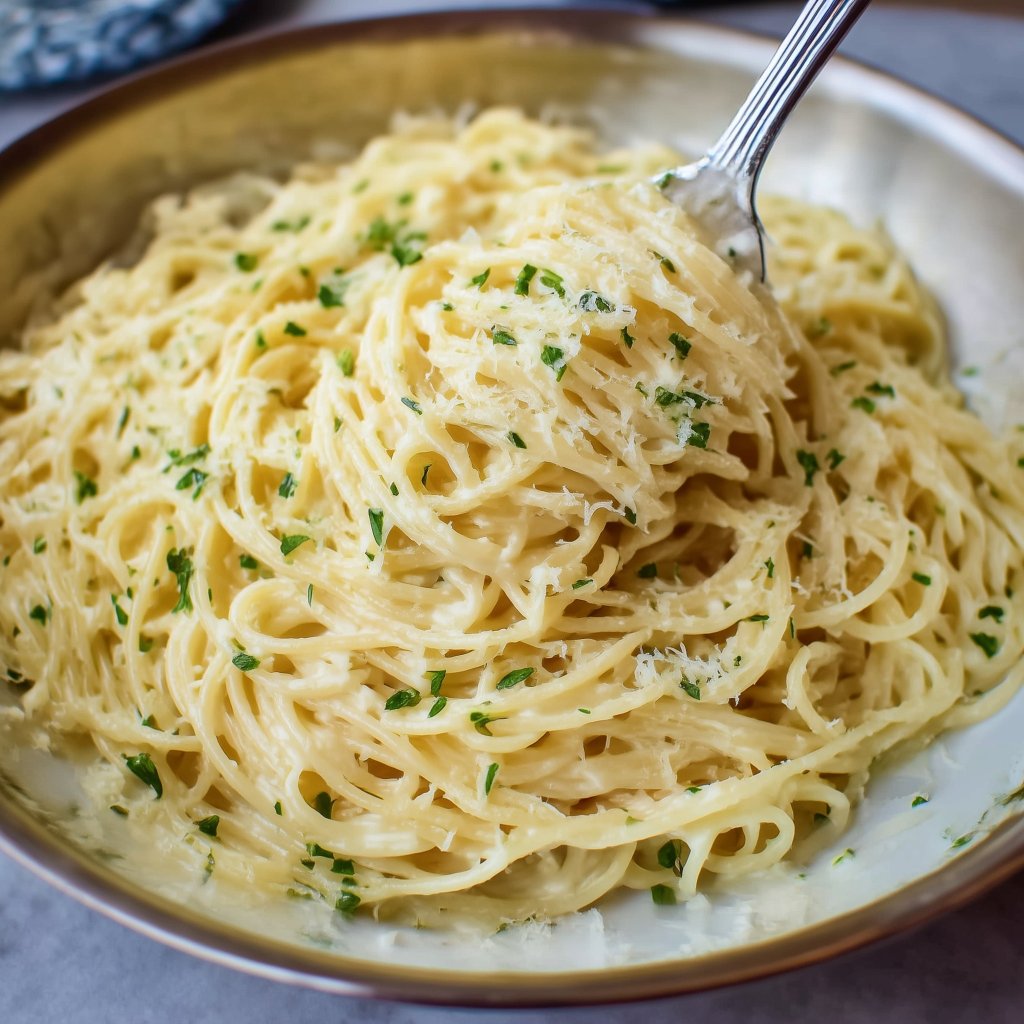
Garlic parmesan pasta is one of those meals that feels like you did something, even when you didn’t. A handful of pantry basics. A pot of pasta. A skillet where butter and garlic turn warm and fragrant in about 60 seconds. Then parmesan melts into a silky sauce that hugs every noodle like it was made for it.
That smell alone is enough to pull people into the kitchen.
This is the kind of recipe I make when I want comfort food that still tastes clean and sharp. Not heavy, not bland, not drowned in cream. Just a glossy, savory sauce with a big garlic flavor and that salty, nutty parmesan finish. The sauce coats the pasta instead of pooling in the bowl, and it stays creamy because you build it the smart way: with gentle heat and a little starchy pasta water doing the quiet work in the background.
It also happens to be the easiest “I don’t know what to cook” dinner I keep in my back pocket. You can serve it as a main dish with a salad. You can use it as a side dish next to chicken or shrimp. You can toss in spinach or peas and call it complete. It fits.
And if you’ve ever made a parmesan sauce that clumped up or went grainy, don’t worry. That’s not you being “bad at cooking.” It’s usually heat, cheese, or timing. I’ll walk you through the small adjustments that keep this sauce smooth and spoonable every single time.
Why You’ll Love This Recipe
-
Fast, real-food comfort. Dinner in about 25 minutes, start to finish.
-
Sauce that actually coats. Silky, not watery. Creamy, not gluey.
-
Big garlic + parmesan flavor. Simple ingredients, bold payoff.
-
Easy to customize. Add protein, veggies, spice, lemon… it all works.
-
Great leftovers. Reheats well with one splash of liquid.
Before we get into the details, here’s the vibe: tender pasta, buttery garlic, parmesan that melts into the sauce, and just enough black pepper to keep things interesting. The kind of bowl you keep twirling until you realize you’re scraping the last bit of sauce from the bottom.
Frequently Asked Questions (FAQs)
Can I make garlic parmesan pasta without cream?
Yes. You can make a silky sauce with butter, garlic, parmesan, and pasta water alone. In this recipe, I use a little half-and-half (or cream) for extra richness, but it’s optional. The starchy pasta water is what helps everything emulsify and cling.
Why does parmesan sometimes turn clumpy or grainy in sauces?
Most often, the heat is too high or the cheese isn’t the right kind. Finely grated parmesan melts best. Pre-shredded cheese can clump because it’s coated with anti-caking agents. Also, parmesan hates boiling. Keep the sauce at low heat when you stir it in.
What pasta shape works best?
Long noodles like spaghetti or fettuccine feel classic, but short pasta works too. I love linguine, bucatini, penne, or rotini. The only “wrong” choice is a tiny pasta that gets lost in the sauce unless you’re serving it as a side.
How do I reheat it so it stays creamy?
Add a splash of milk, broth, or water and reheat gently. The pasta will soak up sauce in the fridge, so you’re just loosening it back up. Low heat and stirring is the move. Microwave works too—just do it in short bursts and stir.
Ingredients
I’ve included notes and descriptions below for each ingredient in this recipe. For the exact ingredient measurements, jump to the recipe card at the bottom of this post.
Pasta
Use whatever you have, but choose a shape that can hold sauce.
-
Long noodles: spaghetti, linguine, fettuccine, bucatini
-
Short pasta: penne, rotini, cavatappi, shells
If you’re using long noodles, they give you that restaurant-style twirl-and-drape moment. Short pasta turns it into an easy weeknight bowl that’s hard to mess up.
Butter
Butter is the backbone of the sauce. It brings richness and carries the garlic flavor.
Unsalted butter gives you control over the salt level, especially because parmesan adds salt on its own.
Garlic
Fresh garlic is the heart of this dish. If you want a strong garlic flavor, mince it very finely. If you prefer it milder, slice it thin instead.
You can also use roasted garlic for a sweeter, softer flavor. I’ll explain that option below.
Parmesan cheese
Use finely grated parmesan for the smoothest sauce. Freshly grated melts better than bagged pre-shredded.
If you want a slightly deeper flavor, use parmesan plus a small amount of pecorino romano. Romano is saltier and sharper, so a little goes a long way.
Half-and-half (or heavy cream)
This adds richness and makes the sauce feel lush. You don’t need much.
-
Half-and-half: creamy but still light enough for a weeknight
-
Heavy cream: richer, thicker, more “restaurant”
-
Whole milk: works, just slightly lighter
If you want to keep it dairy-light, you can skip the cream completely and rely on pasta water. Still delicious.
Pasta water
This is not an ingredient you buy, but it’s the thing that makes the sauce work.
Starchy pasta water helps butter and cheese come together into a smooth sauce that coats noodles. It also helps loosen the sauce without watering it down.
Seasonings
-
Salt: mostly for the pasta water (go easy in the sauce until you taste it)
-
Black pepper: adds warmth and bite
-
Italian seasoning (optional): a pinch can add a cozy herbal note
-
Red pepper flakes (optional): if you want heat
Parsley (optional)
Fresh parsley brightens the whole bowl. It’s not required, but it makes the flavor feel fresher and cuts through the richness.
Lemon zest or lemon juice (optional)
This is a small addition that makes a big difference. A tiny squeeze of lemon wakes up the parmesan and makes the sauce taste lighter.
Not lemony. Just brighter.
Instructions
For the full detailed recipe instructions, scroll to the recipe card at the bottom of this post.
1) Cook the pasta
Bring a large pot of water to a boil and salt it well. Add the pasta and cook until al dente.
Before draining, reserve 1–2 cups of pasta water. Set it aside.
Drain the pasta, but don’t rinse it. Rinsing removes surface starch that helps the sauce cling.
2) Sauté the garlic gently
While the pasta cooks, place a large skillet over medium-low heat.
Add the butter and let it melt. Add the garlic and stir constantly for about 30–60 seconds, just until it smells fragrant and looks slightly softened.
You’re not trying to brown the garlic. Browned garlic can turn bitter fast. This sauce wants sweet, mellow garlic flavor.
3) Add cream (optional) and build the base
Pour in the half-and-half (or cream) and stir. Let it warm gently for 1–2 minutes.
Keep the heat low. You want steam, not a hard simmer.
4) Add parmesan and emulsify with pasta water
Turn the heat down to low.
Add the parmesan in small handfuls, stirring after each addition until it melts. Then begin adding reserved pasta water, a splash at a time, stirring constantly.
This is where the sauce becomes silky. The pasta water loosens the sauce and helps everything blend smoothly.
5) Toss in the pasta
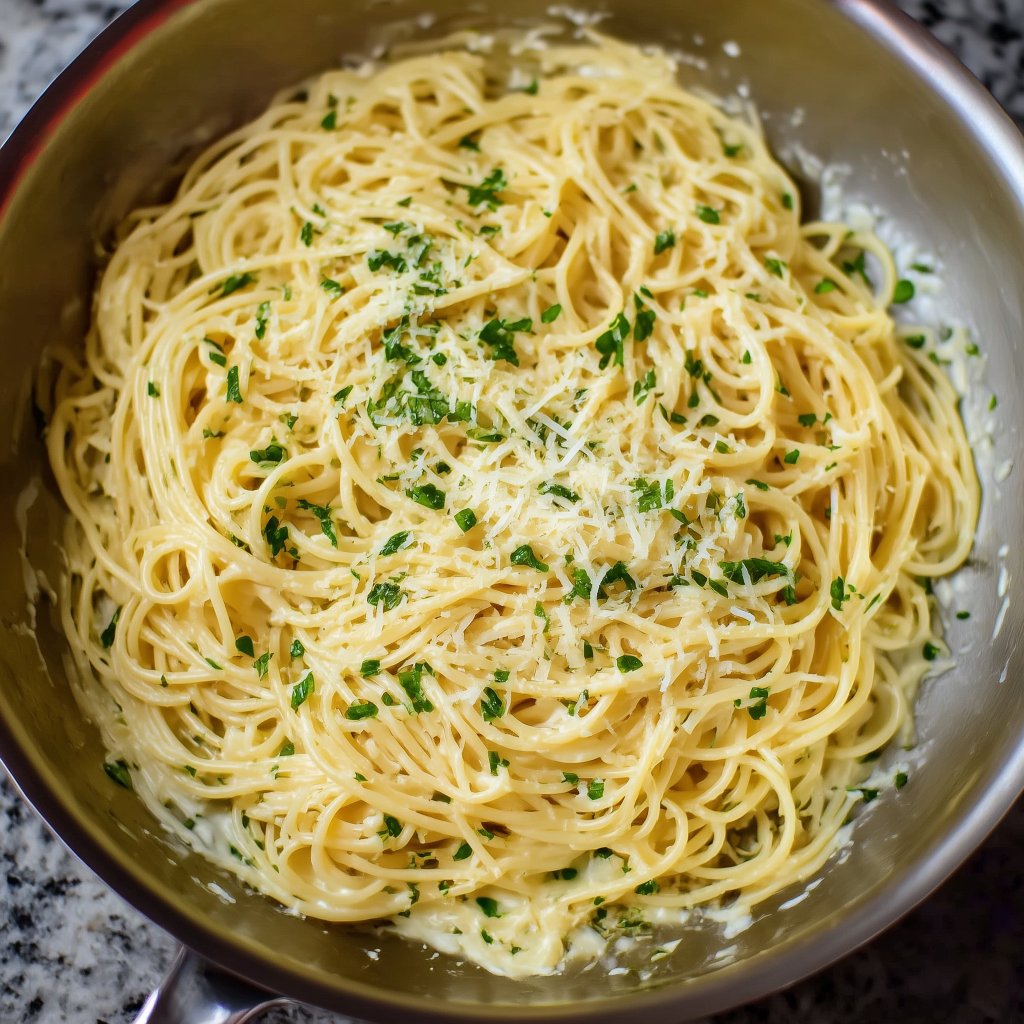
Add the drained pasta to the skillet and toss until every noodle is coated.
If it looks too thick, add a little more pasta water. If it looks too thin, keep tossing over low heat for a minute—the sauce tightens as it clings.
6) Finish and serve
Season with black pepper and taste for salt. Add parsley and lemon (if using).
Serve immediately while it’s glossy and at its creamiest.
What makes this sauce smooth
This sauce isn’t complicated, but it has a few rules that keep it from going wrong. If you’ve had parmesan sauces that break or clump, these points will feel like relief.
Gentle heat is everything
Parmesan doesn’t love high heat. If the sauce is boiling when the cheese goes in, the proteins can tighten and clump.
Keep the heat low. If you see bubbles racing across the skillet, it’s too hot.
Add cheese gradually
Dumping all the parmesan in at once can overwhelm the liquid and cause clumps.
Handfuls. Stir. Repeat. It takes an extra minute, but it saves you from an annoying texture.
Pasta water is the real secret
Starchy water helps fat (butter) and cheese become one sauce instead of separating.
If you forget to save pasta water, you can use warm water and a small pat of butter, but it won’t be as silky. Pasta water is worth remembering.
Freshly grated melts better
Pre-shredded cheese is convenient, but it often melts less smoothly because of coatings used to keep it from sticking in the bag.
If you want the smoothest sauce, grab a wedge and grate it finely.
The best pasta shapes for garlic parmesan
This sauce is rich and clingy, so almost any pasta works. Still, a few shapes feel especially right.
Long noodles
Linguine and fettuccine give you that classic creamy-pasta feel. The sauce drapes and coats beautifully.
Spaghetti works too, especially if you like a lighter coating.
Short pasta
Cavatappi and rotini trap sauce in the spirals. Great if you’re adding chicken or veggies.
Penne holds sauce inside the tubes, which makes every bite feel extra saucy.
Tiny pasta
Orzo can work, but it turns into more of a creamy skillet situation. Not bad. Just different.
If you’re serving kids or picky eaters, short pasta is usually the easiest.
How to adjust the garlic flavor
Garlic can go from perfect to too much depending on how it’s cut and how it’s cooked. Here’s how to steer it.
For a bold garlic flavor
-
mince garlic very finely
-
cook it briefly in butter until fragrant
-
add an extra clove at the end by stirring in a tiny pinch of garlic powder (optional)
Garlic powder adds flavor without risking bitterness.
For a softer, sweeter garlic flavor
-
slice garlic thinly
-
cook it slower on low heat for 2–3 minutes
-
avoid any browning
For a mellow, almost buttery garlic flavor
Use roasted garlic. Mash it into the butter and stir until smooth.
Roasted garlic makes the sauce taste deeper, almost sweet, and it blends in like a dream.
Add-ins and variations
This recipe is a great base. You can keep it plain and cozy, or you can build a full dinner around it.
Chicken garlic parmesan pasta
Season chicken breasts or thighs with salt, pepper, and garlic powder.
Sear in a skillet until cooked through, slice, then toss into the pasta at the end. Add a handful of spinach if you want a greener bowl.
Shrimp garlic parmesan pasta
Shrimp cooks fast, so do it first.
Sauté shrimp in butter with a pinch of salt and red pepper flakes, then remove from the pan. Make the sauce, then add shrimp back in right before serving so it stays juicy.
Veggie-loaded version
These veggies work well with the garlic + parmesan combo:
-
spinach
-
peas
-
sautéed mushrooms
-
roasted broccoli
-
asparagus tips
If the veggie is watery (like mushrooms), cook it first so it doesn’t thin the sauce too much.
Lemon garlic parmesan pasta
Add lemon zest and a small squeeze of lemon juice at the end.
This version feels lighter and extra fresh, especially with parsley.
Spicy garlic parmesan pasta
Add red pepper flakes when the garlic goes into the butter.
You can also finish with a little cracked black pepper for extra bite.
Extra cheesy version
Add a small amount of mozzarella for stretch, or a little cream cheese for richness.
If you go this route, keep the heat low. Extra cheese can make sauces thicker quickly, and you’ll likely need more pasta water.
“No cream” version
Skip the half-and-half and use butter + pasta water + parmesan only.
It’s a little lighter but still glossy and satisfying. You may need slightly more pasta water to get the sauce to the right consistency.
Make it a full meal
Garlic parmesan pasta can be the main event, but it’s also a perfect base for a bigger plate.
If you want a complete dinner with minimal extra work, pick one:
Add a quick protein
-
rotisserie chicken stirred in at the end
-
leftover grilled chicken sliced on top
-
sautéed shrimp
-
crispy tofu cubes (if you like a vegetarian protein)
Add one vegetable
-
a quick side salad
-
roasted green beans
-
broccoli (steamed or roasted)
-
sautéed zucchini
Add crunch
A sprinkle of toasted breadcrumbs on top makes it feel like a restaurant bowl. You can toast breadcrumbs in butter in 3 minutes. Worth it.
What to serve with garlic parmesan pasta
This pasta is rich, so sides that feel fresh work best.
Fresh sides
-
simple green salad with a light dressing
-
cucumber and tomato salad
-
arugula with lemon and olive oil
Roasted or steamed vegetables
-
broccoli
-
asparagus
-
green beans
-
Brussels sprouts
Proteins
-
grilled chicken thighs
-
baked salmon
-
shrimp skewers
-
meatballs (if you want an extra hearty meal)
If this is a weeknight dinner, I usually keep it simple: pasta + salad + something crunchy (even just a few sliced cucumbers).
Storage and reheating
Refrigerator
Store leftovers in an airtight container in the fridge for up to 4 days.
Reheating on the stove (best texture)
Add pasta to a skillet over low heat with a splash of milk, broth, or water.
Stir gently until warmed through. Add a little extra parmesan at the end if you want to bring the sauce back to life.
Reheating in the microwave (still works)
Place pasta in a microwave-safe bowl, add a splash of liquid, cover loosely, and heat in 30-second bursts, stirring between.
Low and slow is better than blasting it.
Freezing notes
You can freeze it, but creamy parmesan sauces can change texture after thawing. The sauce may look slightly separated at first.
If you do freeze it:
-
cool completely
-
freeze in airtight portions
-
thaw overnight in the fridge
-
reheat gently with a splash of milk and a good stir
It won’t be quite as silky as day one, but it’s still very usable.
If you’re making this for meal prep, the fridge is the better option.
Troubleshooting
If something looks off, it’s usually easy to fix.
“My sauce is too thick.”
Add reserved pasta water (or warm milk) a tablespoon at a time and toss until it loosens.
Pasta drinks sauce as it sits. That’s normal.
“My sauce is too thin.”
Let it simmer gently on low heat for 1–2 minutes while tossing. It thickens as it coats the pasta.
Also check: did you add too much pasta water too quickly? Slow additions give you better control.
“My parmesan clumped.”
Take the skillet off the heat for a minute. Add a splash of warm pasta water and stir steadily until it smooths out.
Next time, lower the heat before adding parmesan and add it gradually.
“It tastes flat.”
Add black pepper and taste for salt first. Parmesan varies a lot in saltiness.
If it still needs something, a tiny squeeze of lemon juice often fixes that “missing something” feeling without changing the flavor into citrus.
“The garlic tastes bitter.”
Garlic likely browned. Cook garlic on medium-low and stop once it smells fragrant.
If you love strong garlic, add garlic powder at the end instead of browning fresh garlic longer.
Recipe notes
-
Salt your pasta water well. It’s the easiest way to season the pasta from the inside.
-
Keep the heat low when adding parmesan for the smoothest sauce.
-
Save more pasta water than you think you need. It’s your sauce insurance.
-
If using pre-shredded parmesan, expect slightly less smooth melting. Finely grated is best.
-
This pasta is best served right away while the sauce is glossy and loose.
Garlic Parmesan Pasta
Ingredients
- 12 ounces pasta linguine, spaghetti, fettuccine, penne, or rotini
- 4 tablespoons unsalted butter
- 5 –6 garlic cloves minced (adjust to taste)
- ¾ cup half-and-half or heavy cream, or whole milk
- 1 ½ cups finely grated parmesan cheese plus more for serving
- 1 teaspoon salt plus more for pasta water
- 1 teaspoon black pepper adjust to taste
- ½ teaspoon Italian seasoning optional
- ¼ teaspoon red pepper flakes optional
- ½ –1 cup reserved pasta water as needed
- 2 tablespoons chopped fresh parsley optional
- Optional: 1 teaspoon lemon zest or 1–2 teaspoons lemon juice
Instructions
- Bring a large pot of salted water to a boil. Cook the pasta until al dente. Reserve 1–2 cups pasta water, then drain the pasta.
- In a large skillet over medium-low heat, melt the butter. Add the garlic and cook 30–60 seconds, stirring, until fragrant (do not brown).
- Pour in the half-and-half and warm gently for 1–2 minutes. Reduce heat to low.
- Add parmesan in small handfuls, stirring until melted and smooth.
- Add reserved pasta water a splash at a time, stirring, until the sauce is silky and coats a spoon.
- Add pasta to the skillet and toss to coat. Add more pasta water if needed for a looser, creamier finish.
- Season with black pepper (and salt if needed). Stir in parsley and lemon (optional). Serve immediately with extra parmesan.
Notes