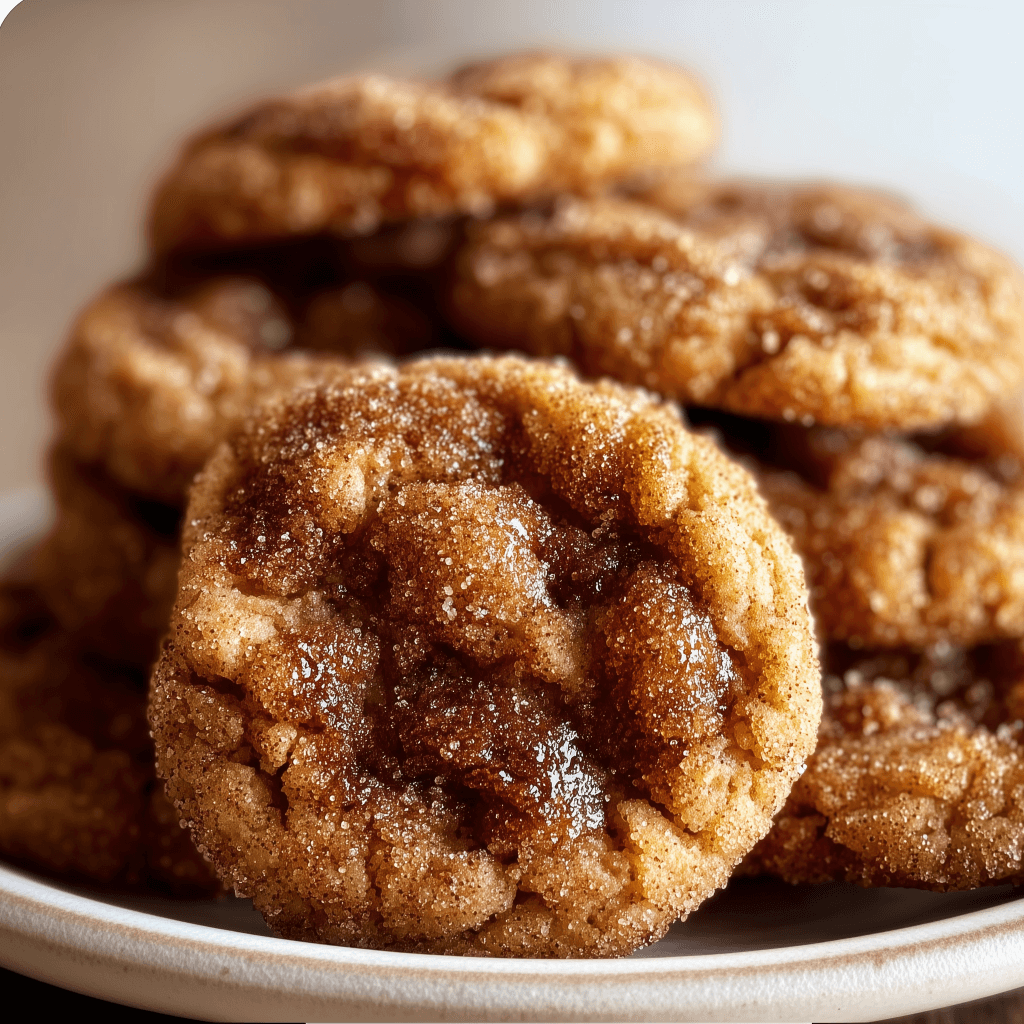
These are the cookies you bake when you want the house to smell like butter and warm spice, and you want the tray to disappear before it cools.
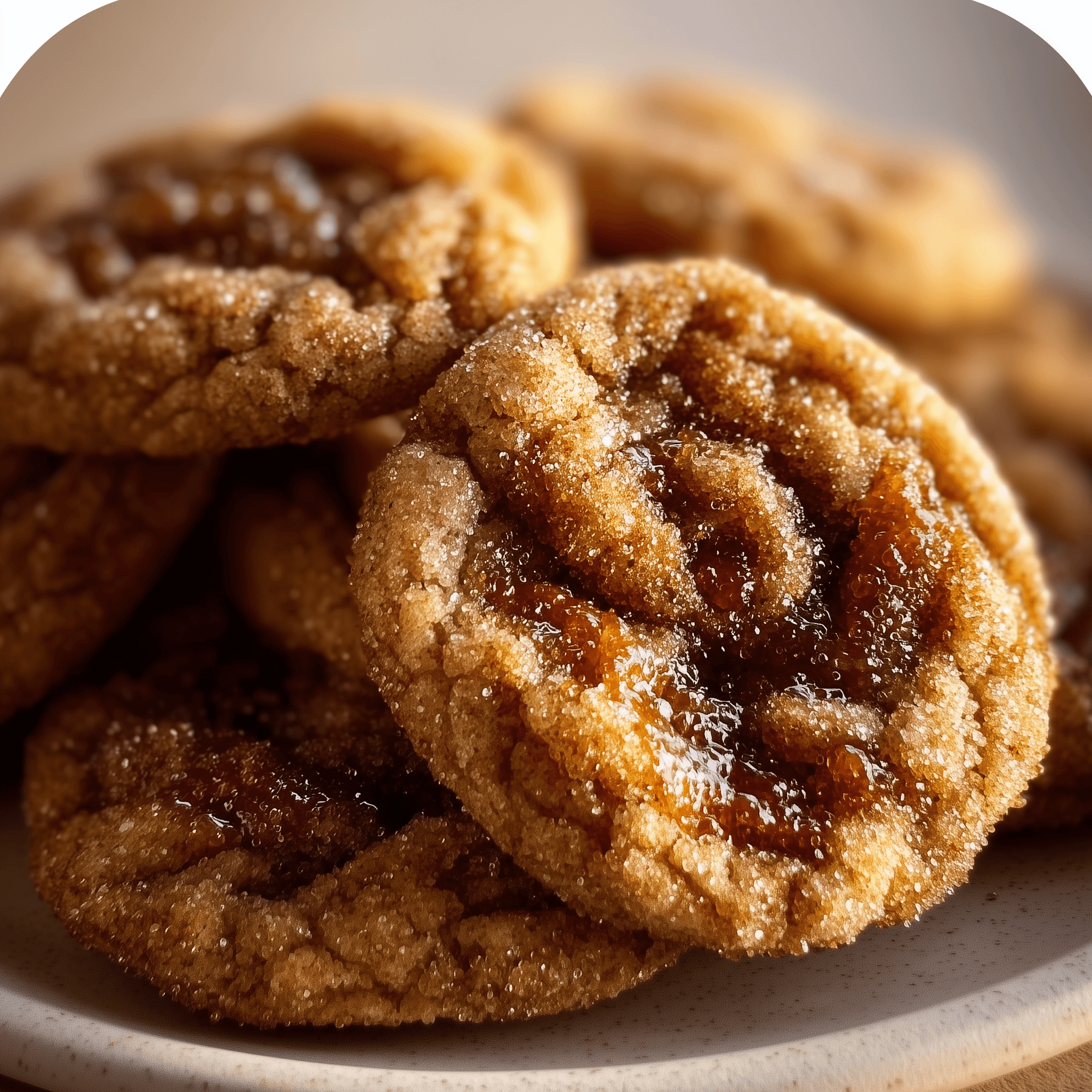
They’re soft in the center with a gentle chew, lightly crisp at the edges, and packed with brown sugar flavor that tastes deeper than a standard sugar cookie. Cinnamon shows up in two ways: in the dough for warmth, and in a cinnamon-sugar coating that gives the outside that slightly crackly, sparkly finish. It’s familiar, but it doesn’t feel boring.
The best part is how forgiving the dough is. You don’t need a mixer if you don’t want one. You don’t need fancy add-ins. You just need good butter, fresh cinnamon, and a little patience to let the cookies set on the baking sheet before you move them. That’s where the texture happens.
Bake them for a weekend treat. Bake them for the holidays. Bake them on a random Tuesday because you want something sweet with coffee. They fit all of it.
Why you’ll love these cookies
-
Big brown sugar flavor. Warm, caramel-like sweetness that tastes richer than plain sugar cookies.
-
Soft and chewy texture. The centers stay tender, even after they cool.
-
Cinnamon in every bite. Not overpowering, just cozy and steady.
-
Easy method. Simple ingredients, simple steps, and no complicated timing.
-
Perfect for sharing. They stack well, travel well, and look pretty on a tray.
Ingredients
Here I explain the best ingredients for these buttery brown sugar cinnamon cookies, what each one does, and substitution options. For the exact ingredient measurements, see the recipe card at the bottom of this post.
Butter
Use unsalted butter for the cleanest flavor and best control over salt. Butter is the main flavor here, so don’t use the bargain sticks that taste flat. If your butter smells fresh and creamy, your cookies will too.
Swap: salted butter works. Just reduce the added salt in the recipe.
Brown sugar
This is the heart of the cookie. Light brown sugar gives a classic caramel sweetness. Dark brown sugar adds a deeper molasses note and slightly chewier texture.
If you’re the type who likes a more intense brown sugar flavor, go dark. If you want a lighter, bakery-style cookie, go light. Either one works.
Granulated sugar
A little white sugar helps the cookies spread just enough and gives the edges a delicate crispness. It also helps the cinnamon-sugar coating cling better.
Egg + egg yolk
One whole egg binds everything together. The extra yolk is the texture trick. It adds richness and helps the cookies stay soft and chewy.
If you only have whole eggs and don’t want to separate, you can use two whole eggs, but the cookies may spread a bit more and feel slightly cakier.
Vanilla extract
Vanilla rounds out the sweetness and makes the cinnamon taste warmer. It’s subtle, but you notice it when it’s missing.
All-purpose flour
Spoon and level it if you can. Too much flour makes cookies dry and thick in a not-great way. Too little flour makes them spread thin.
Baking soda
Baking soda helps the cookies rise, then settle into that soft center. It also encourages browning, which pairs perfectly with brown sugar.
Cinnamon
Fresh cinnamon makes a difference here. If your cinnamon has been living in the back of the cabinet for years, the flavor will taste dusty instead of warm.
You’ll use cinnamon in the dough and in the coating.
Salt
Salt keeps the cookies from tasting overly sweet. It also sharpens the butter flavor.
Ingredient notes and substitutions
A few swaps are easy. A few change the cookie completely. Here’s what’s safe.
Can I use melted butter?
You can, but the cookies will spread more and have a denser, slightly fudgier texture. Still good. Just different. If you prefer thicker cookies with a softer bite, use softened butter and cream it with the sugar.
Can I use coconut sugar?
Coconut sugar can replace some of the brown sugar, but it has a different flavor and can make the cookies a touch drier. If you try it, start by swapping half and see how you like it.
Can I use gluten-free flour?
A 1:1 gluten-free baking blend usually works for cookies like this, but results vary by brand. Expect a slightly different texture, sometimes a little more fragile. If you go that route, chilling the dough helps a lot.
Can I make them dairy-free?
A plant-based butter substitute can work, but the flavor will change. Choose one meant for baking (sticks, not tubs) so the water content doesn’t throw off the dough.
How to make buttery brown sugar cinnamon cookies
I’ve included step-by-step instructions below to make this recipe easy to follow at home. For the full detailed recipe instructions, scroll to the recipe card at the bottom of this post.
1) Prep the oven and pans
Preheat the oven to 350°F.
Line two baking sheets with parchment paper. This helps the cookies bake evenly and keeps the bottoms from over-browning.
2) Cream the butter and sugars
In a large bowl, beat the softened butter, brown sugar, and granulated sugar together until light and fluffy. This takes about 2–3 minutes with a hand mixer.
If you’re mixing by hand, use a sturdy spoon and commit to it. The goal is to smooth out the butter and dissolve some of the sugar so the dough isn’t gritty.
3) Add the egg, yolk, and vanilla
Mix in the egg, then the extra yolk, then the vanilla.
Scrape down the sides of the bowl so everything blends evenly.
4) Mix the dry ingredients
In a separate bowl, whisk together flour, baking soda, salt, and cinnamon.
Whisking helps distribute the baking soda and cinnamon so you don’t get uneven pockets.
5) Combine wet and dry
Add the dry ingredients to the butter mixture and mix just until you don’t see streaks of flour.
Stop when it comes together. Overmixing makes cookies tougher.
6) Chill the dough (recommended)
Cover the dough and chill for 30 minutes.
Is it required? No. Is it worth it? Yes.
Chilling helps the butter firm up so the cookies bake thicker and the flavors settle. It also makes rolling the dough easier and less sticky.
7) Roll in cinnamon sugar
Scoop the dough into balls, then roll them in a cinnamon-sugar mixture.
This coating gives the cookies that cozy, slightly crisp exterior. It also makes them look beautiful without any extra effort.
8) Bake and cool
Bake for 9–11 minutes, until the edges look set and the centers still look slightly soft.
Let the cookies rest on the baking sheet for 5 minutes before moving them to a cooling rack. This step matters. They finish setting up as they cool.
Cinnamon-sugar coating
This is the easy detail that makes these cookies feel like more than “just” brown sugar cookies.
Mix:
-
granulated sugar
-
cinnamon
Roll the dough balls generously. Don’t be shy. The coating melts slightly in the oven and turns into a crackly, cinnamon-kissed shell around the soft cookie.
If you want a stronger cinnamon hit, add an extra pinch of cinnamon to the coating. If you want a gentler cookie, keep it classic.
Recipe tips for thick, soft cookies
These are the small moves that keep the cookies buttery, tender, and consistently good.
Use softened butter, not melted
Softened butter helps the cookies hold shape and bake evenly. Melted butter pushes the dough toward thinner, denser cookies.
Softened means: you can press a finger into it easily, but it still holds its shape. Not oily. Not half-liquid.
Measure flour the right way
Flour gets compacted in the bag. If you scoop directly with the measuring cup, you’ll likely add too much.
Better method:
-
spoon flour into the cup
-
level it off with a knife
It’s a simple habit. It saves the texture.
Chill the dough if your kitchen is warm
If your kitchen runs warm, the dough softens fast. Chilling keeps the butter from melting too quickly in the oven, which means thicker cookies and less spreading.
Don’t overbake
These cookies should look a little underdone in the center when you pull them out. That’s the point.
They finish setting on the baking sheet. If you bake until the centers look fully done in the oven, they’ll be dry once cooled.
Use a cookie scoop for even baking
Even cookies bake evenly. A scoop also makes portioning faster and keeps the size consistent, which helps with timing.
Variations
Once you’ve baked the classic version, you can shift the flavor without changing the basic method.
1) Brown butter version
If you want a deeper, toastier flavor, brown the butter first.
How:
-
melt the butter in a small saucepan over medium heat
-
keep cooking until it turns golden and smells nutty
-
let it cool until it’s soft but not liquid
-
then proceed with the recipe
Brown butter makes the cookies taste richer and slightly more “grown up,” without changing the cinnamon warmth.
2) Simple vanilla glaze
A thin drizzle looks pretty and adds a sweet finish without making the cookies heavy.
Whisk:
-
powdered sugar
-
a splash of milk (or cream)
-
a drop of vanilla
Drizzle once cookies are completely cool so the glaze sets nicely.
3) Cinnamon cream cheese drizzle
This is a little more dessert-like, especially for holiday trays.
Beat softened cream cheese with powdered sugar, a splash of milk, vanilla, and a pinch of cinnamon. Drizzle or spread lightly.
4) Stuffed cookies
If you want a surprise center:
-
press a dough ball flat
-
add a small cube of caramel or a spoon of cookie butter
-
wrap dough around it
-
roll in cinnamon sugar
-
bake as directed
Keep the filling small so the cookie still bakes evenly.
5) Add chopped nuts
Chopped toasted pecans or walnuts add a buttery crunch. Fold in ½ cup.
If you add nuts, don’t skip the cinnamon coating. Crunch + cinnamon + brown sugar is a strong combo.
What to serve with them
These cookies are great on their own, but they also pair well with simple, cozy drinks and desserts.
-
Coffee (black, latte, iced—anything)
-
Hot chocolate
-
Chai tea
-
Vanilla ice cream (cookie sandwich situation, if you want it)
-
Fresh fruit on the side for a lighter plate
They’re also a nice addition to a holiday cookie tray because the cinnamon scent stands out immediately.
How to store, freeze, and make ahead
Storage
Store the cookies in an airtight container at room temperature for up to 5 days.
If you want to keep them extra soft, tuck a slice of bread into the container. Replace it if it dries out. The cookies absorb a bit of moisture and stay tender.
Freezing baked cookies
Let cookies cool completely, then freeze in a freezer-safe bag or container for up to 3 months.
To serve, thaw at room temperature for about 30 minutes.
Freezing cookie dough
This is my favorite make-ahead move.
-
roll dough into balls
-
roll in cinnamon sugar
-
place on a parchment-lined baking sheet
-
freeze until firm
-
transfer to a freezer bag
Bake from frozen by adding 1–2 minutes to the bake time. Keep an eye on the edges. That’s your cue.
Make-ahead dough (refrigerator)
You can refrigerate the dough for up to 48 hours. The flavor deepens, and the cookies often bake up thicker.
If the dough gets very firm, let it sit at room temperature for 10–15 minutes before scooping.
Troubleshooting
Cookies spread too much
Most common causes:
-
butter too warm
-
dough not chilled
-
baking sheet still warm from a previous batch
Fix: chill the dough and let the pan cool between batches.
Cookies are dry
Most common causes:
-
too much flour
-
overbaking
Fix: measure flour carefully and pull cookies when centers still look soft.
Cookies taste flat
Usually salt is the issue. Cinnamon and brown sugar need salt to taste balanced.
Fix: add an extra pinch of salt to the dough next time, or sprinkle a tiny pinch of flaky salt on top right after baking.
Cinnamon flavor is too strong
Cut the cinnamon in the dough slightly, but keep the coating. The coating is where the cinnamon belongs for most people.
Buttery Brown Sugar Cinnamon Cookies
Ingredients
- Cookie dough
- 1 cup unsalted butter softened (2 sticks)
- 1 ½ cups packed brown sugar light or dark
- ¼ cup granulated sugar
- 1 large egg
- 1 large egg yolk
- 2 teaspoons vanilla extract
- 2 ¾ cups all-purpose flour
- 1 teaspoon baking soda
- 1 teaspoon ground cinnamon
- ¾ teaspoon salt
- Cinnamon-sugar coating
- ⅓ cup granulated sugar
- 1 tablespoon ground cinnamon
Instructions
- Preheat the oven to 350°F. Line two baking sheets with parchment paper.
- In a large bowl, beat the softened butter, brown sugar, and granulated sugar for 2–3 minutes, until light and fluffy.
- Mix in the egg, then the egg yolk, then the vanilla. Scrape down the sides of the bowl.
- In a separate bowl, whisk together the flour, baking soda, cinnamon, and salt.
- Add the dry ingredients to the wet ingredients and mix just until combined. Do not overmix.
- Cover and chill the dough for 30 minutes (recommended for thicker cookies).
- In a small bowl, mix the cinnamon-sugar coating ingredients.
- Scoop the dough into 2-tablespoon portions and roll into balls. Roll each ball in the cinnamon sugar.
- Place dough balls on the prepared baking sheets, leaving space between each.
- Bake 9–11 minutes, until edges are set and centers still look slightly soft.
- Cool on the baking sheet for 5 minutes, then transfer to a cooling rack.
Notes